
 EN
EN
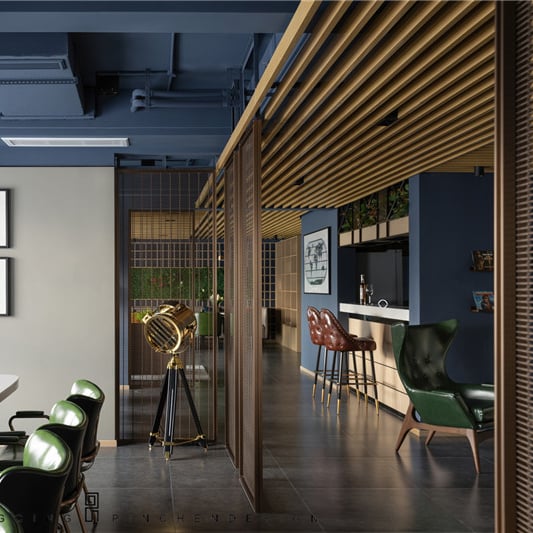
Interior fluted wall panels have revolutionized modern architectural design by offering a sophisticated blend of aesthetics and functionality. These vertical grooved panels create stunning visual textures while maintaining practical benefits such as sound absorption and visual depth enhancement. The growing popularity of interior fluted wall panels across residential and commercial spaces has driven manufacturers to develop innovative materials that meet diverse design requirements and performance standards.
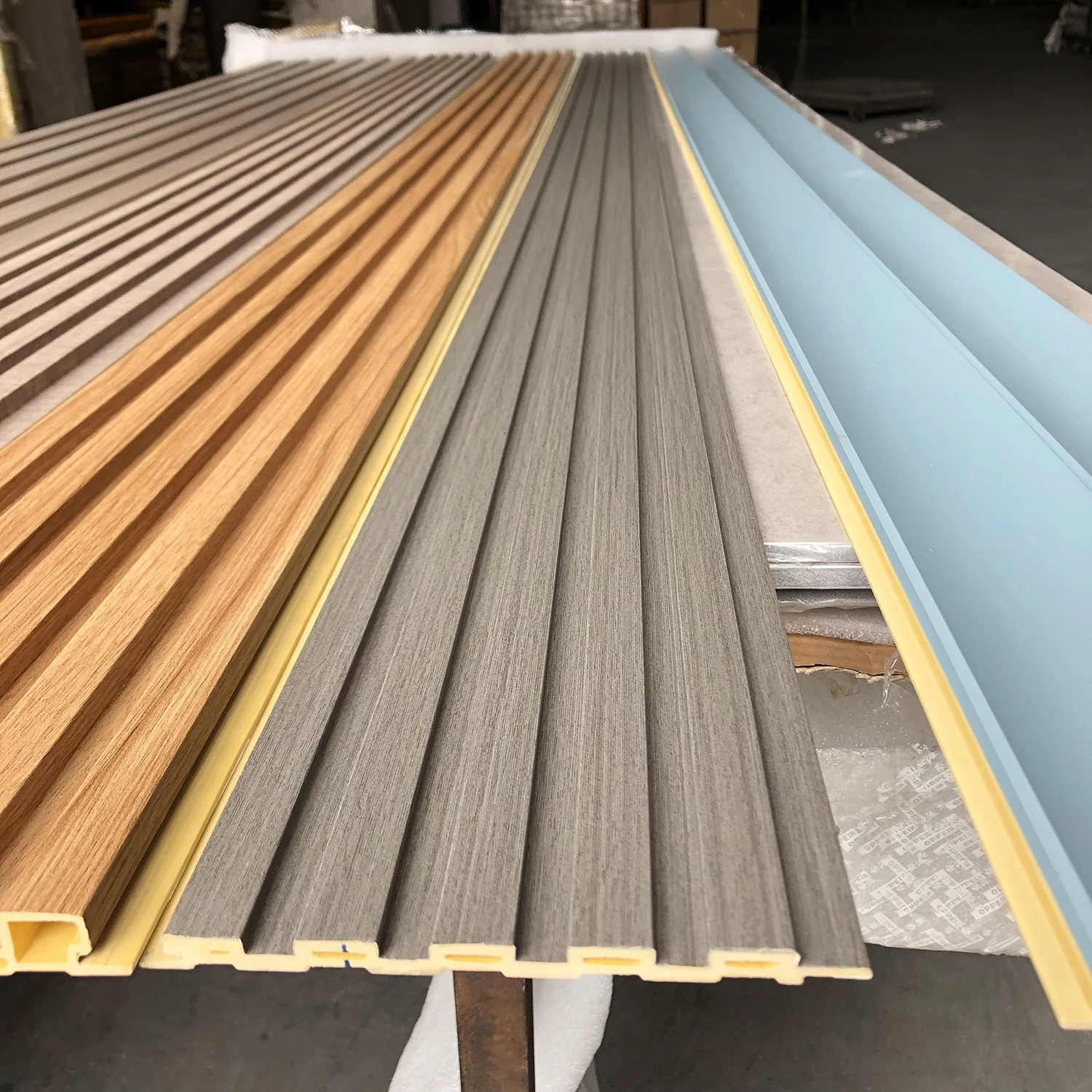
Wood-Based Materials for Premium Aesthetics
Solid Hardwood Construction
Solid hardwood remains the gold standard for luxury interior fluted wall panels, offering unmatched natural beauty and longevity. Oak, walnut, maple, and cherry are frequently chosen for their distinctive grain patterns and durability characteristics. These materials provide excellent dimensional stability when properly treated and finished. The natural variations in wood grain ensure that each panel installation creates a unique visual impact.
High-end residential projects and premium commercial spaces often specify solid hardwood for its authentic appearance and ability to accept various stain and finish treatments. The material's workability allows for precise fluting profiles and custom sizing to meet specific architectural requirements. Professional installation ensures proper expansion joints and moisture management for long-term performance.
Engineered Wood Products
Engineered wood products offer enhanced stability compared to solid wood while maintaining natural aesthetics. Medium-density fiberboard with wood veneer faces provides consistent quality and reduced expansion characteristics. These interior fluted wall panels combine the visual appeal of natural wood with improved dimensional consistency.
Plywood-based panels with hardwood veneers deliver exceptional strength-to-weight ratios while minimizing material costs. The cross-grain construction reduces warping and splitting risks common in solid wood applications. Factory-applied finishes ensure uniform appearance and eliminate on-site finishing requirements, reducing installation time and labor costs.
Synthetic and Composite Materials
PVC and Vinyl Compositions
Polyvinyl chloride panels have gained significant market acceptance due to their moisture resistance and low maintenance requirements. These synthetic materials excel in high-humidity environments where traditional wood materials might experience degradation. Modern PVC formulations incorporate UV stabilizers and impact modifiers to enhance durability and color retention.
The manufacturing process allows for consistent flute dimensions and surface textures that closely mimic natural wood grain patterns. Advanced printing technologies create realistic wood appearances while maintaining the practical benefits of synthetic construction. Installation systems typically feature interlocking mechanisms that simplify the mounting process and ensure proper alignment.
Wood Plastic Composites
Wood plastic composite materials combine recycled wood fibers with thermoplastic polymers to create environmentally conscious panel solutions. These materials offer the aesthetic appeal of wood with enhanced moisture resistance and dimensional stability. The composite structure eliminates concerns about insect damage and rot while maintaining workability similar to natural wood.
WPC panels accept stains and paints effectively, allowing for customized color matching and design flexibility. The material's resistance to fading and weathering makes it suitable for transitional spaces where interior panels might experience varying environmental conditions. Recycled content percentages often exceed fifty percent, supporting sustainable building practices.
Metal and Contemporary Materials
Aluminum Alloy Systems
Aluminum fluted panels bring modern industrial aesthetics to contemporary interior design projects. Extruded aluminum profiles create precise flute geometries with excellent dimensional consistency across large installations. Anodized finishes provide corrosion resistance while offering various color options and surface textures.
The lightweight nature of aluminum facilitates installation on various substrate types without requiring extensive structural reinforcement. Thermal expansion characteristics must be considered in design calculations, particularly for large panel arrays. Acoustic properties can be enhanced through perforated backing materials or sound-absorbing core insertions.
Steel and Composite Metal Panels
Steel-based interior fluted wall panels provide exceptional durability for high-traffic commercial applications. Powder coating systems offer extensive color choices while providing scratch and impact resistance. The material's strength allows for larger panel sizes with reduced support requirements.
Composite metal panels featuring polymer cores between thin metal faces combine structural integrity with improved thermal performance. These systems often incorporate fire-resistant core materials meeting strict building code requirements for commercial applications. The sandwich construction reduces overall weight while maintaining excellent flatness and dimensional stability.
Specialty and Innovative Materials
Fiber Cement Compositions
Fiber cement panels offer exceptional fire resistance and dimensional stability for demanding interior applications. The material combines Portland cement, cellulose fibers, and silica sand to create panels with superior weather resistance and longevity. Surface treatments can simulate various textures including wood grain patterns and smooth contemporary finishes.
Installation requires specialized cutting tools due to the material's density, but the resulting panels provide excellent impact resistance and moisture protection. Factory-applied finishes ensure consistent color and texture while eliminating field finishing requirements. The non-combustible nature makes fiber cement suitable for fire-rated wall assemblies.
Acoustic Performance Materials
Specialized acoustic panels incorporate sound-absorbing cores within fluted face designs to optimize interior acoustics. Perforated metal or wood faces allow sound penetration to underlying absorptive materials such as mineral wool or foam cores. These systems balance aesthetic requirements with acoustic performance objectives.
Micro-perforated panels utilize precisely sized holes to control sound absorption characteristics across specific frequency ranges. The fluted surface geometry provides additional sound scattering properties that enhance overall acoustic performance. Fabric-wrapped options offer unlimited color choices while maintaining excellent sound absorption properties.
Material Selection Considerations
Environmental Performance Factors
Moisture resistance requirements significantly influence material selection for interior fluted wall panels. Bathrooms, kitchens, and other high-humidity spaces benefit from synthetic materials or specially treated wood products. Vapor barrier compatibility must be evaluated to prevent condensation issues within wall assemblies.
Fire resistance ratings vary considerably among panel materials and directly impact building code compliance. Non-combustible materials like fiber cement and metal panels facilitate approval in fire-rated assemblies. Flame spread and smoke development indices must meet local code requirements for specific occupancy types and building configurations.
Installation and Maintenance Requirements
Installation complexity varies significantly among different panel materials and mounting systems. Mechanical fastening systems require structural support calculations while adhesive applications depend on substrate preparation and environmental conditions. Thermal movement accommodation becomes critical for large installations using materials with high expansion coefficients.
Long-term maintenance requirements influence total cost of ownership calculations. Natural wood materials require periodic refinishing while synthetic materials typically need only routine cleaning. Repairability considerations include material availability and color matching capabilities for future maintenance or modification requirements.
FAQ
What is the most durable material for interior fluted wall panels
Metal panels, particularly aluminum and steel options, offer the highest durability for interior fluted wall panel applications. These materials resist impact damage, maintain dimensional stability, and require minimal maintenance over extended service lives. Fiber cement panels provide similar durability with enhanced fire resistance properties.
Can interior fluted wall panels be installed in moisture-prone areas
Yes, but material selection becomes critical for moisture-prone installations. PVC, WPC, and properly sealed metal panels perform excellently in high-humidity environments. Natural wood panels require moisture-resistant treatments and proper ventilation to prevent degradation in bathroom and kitchen applications.
How do different materials affect the acoustic properties of fluted panels
Material density and surface texture significantly influence acoustic performance. Dense materials like fiber cement provide excellent sound reflection while perforated metal and wood panels with absorptive backing enhance sound absorption. The flute geometry creates sound scattering properties regardless of base material selection.
What factors should guide material selection for commercial interior fluted wall panel projects
Fire resistance ratings, maintenance requirements, and impact resistance typically drive commercial material selection decisions. Building codes often mandate non-combustible materials in certain occupancies. Durability requirements and aesthetic objectives must be balanced with budget constraints and installation timeline considerations for successful commercial projects.
Table of Contents
- Wood-Based Materials for Premium Aesthetics
- Synthetic and Composite Materials
- Metal and Contemporary Materials
- Specialty and Innovative Materials
- Material Selection Considerations
-
FAQ
- What is the most durable material for interior fluted wall panels
- Can interior fluted wall panels be installed in moisture-prone areas
- How do different materials affect the acoustic properties of fluted panels
- What factors should guide material selection for commercial interior fluted wall panel projects