
 EN
EN
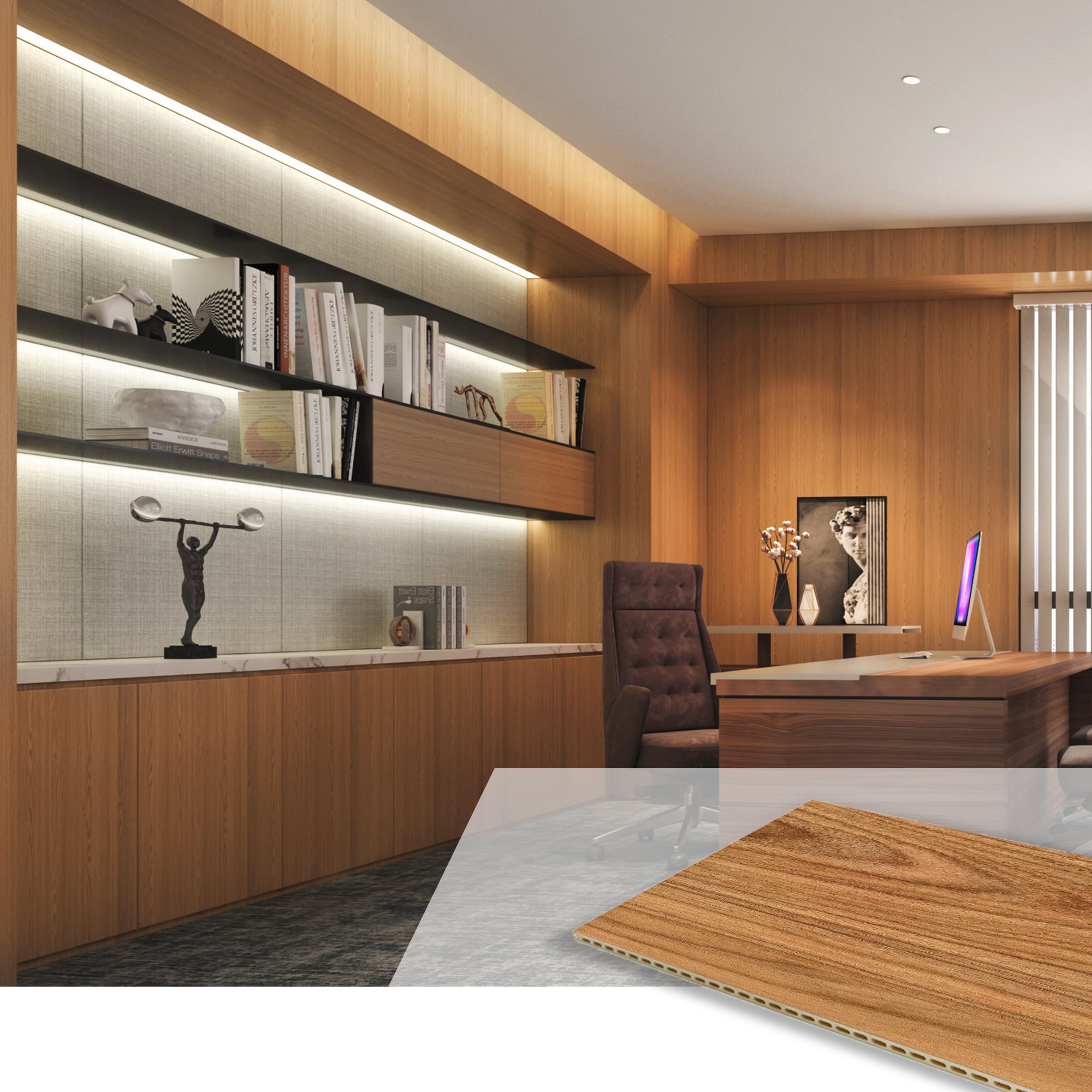
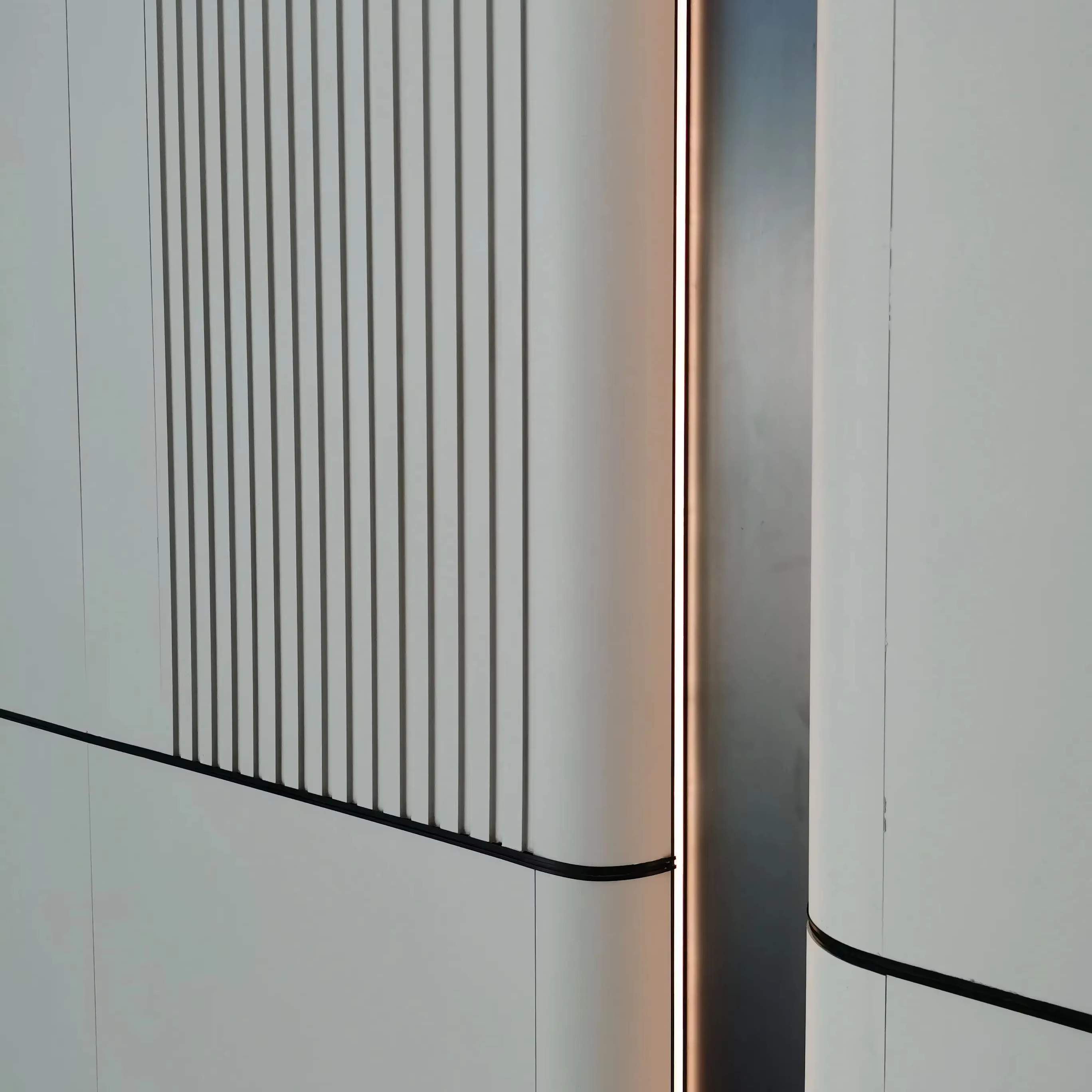
Interior design trends are constantly evolving, and one feature that has gained significant popularity in recent years is the use of interior fluted wall panels. These architectural elements offer a sophisticated way to add texture, depth, and visual interest to any space. Whether you're renovating a residential property or designing a commercial space, understanding the cost implications of installing these decorative panels is crucial for effective budget planning. The pricing structure involves multiple factors that can significantly impact your overall investment, making it essential to explore all aspects before making a purchasing decision.
Material Types and Their Cost Impact
Wood-Based Fluted Panels
Traditional wood fluted panels represent the premium end of the market, with prices typically ranging from $15 to $50 per square foot for materials alone. Solid hardwood options such as oak, walnut, or cherry command the highest prices due to their durability and natural beauty. The grain patterns and finish quality of these materials contribute significantly to their aesthetic appeal and longevity. Installation complexity increases with solid wood panels, as they require proper acclimatization and specialized mounting techniques to prevent warping or cracking over time.
Engineered wood alternatives offer a middle-ground solution, typically priced between $8 to $25 per square foot. These products combine the appearance of natural wood with improved stability and moisture resistance. MDF-based fluted panels with wood veneer provide an economical option while maintaining visual authenticity. The manufacturing process allows for consistent quality and dimensions, making installation more predictable and reducing waste during the project.
Composite and Synthetic Options
PVC and WPC (Wood Plastic Composite) fluted panels have revolutionized the market by offering cost-effective alternatives without sacrificing visual appeal. These materials typically range from $5 to $18 per square foot, making them accessible to a broader range of budgets. The synthetic nature of these products provides excellent moisture resistance, making them ideal for bathrooms, kitchens, and other high-humidity environments where traditional wood might fail.
Metal fluted panels, including aluminum and steel options, occupy a specialized niche with prices ranging from $12 to $35 per square foot. These materials excel in commercial applications where durability and fire resistance are paramount. The industrial aesthetic they provide has found favor in modern residential designs, particularly in loft-style and contemporary homes where the material's inherent characteristics complement the overall design philosophy.
Installation Labor Costs and Considerations
Professional Installation Services
Professional installation typically adds $8 to $20 per square foot to your project cost, depending on the complexity of the installation and local labor rates. Experienced contractors bring specialized tools and expertise that ensure proper alignment, spacing, and mounting of the panels. The investment in professional installation often pays dividends through reduced waste, faster completion times, and warranty protection that covers both materials and workmanship.
Complex installations involving curved walls, multiple corners, or integrated lighting systems can increase labor costs by 30 to 50 percent above standard rates. These challenging projects require additional planning, custom cutting, and precision fitting that demands higher skill levels. The time investment for intricate installations also extends the project timeline, potentially affecting other aspects of your renovation schedule.
DIY Installation Considerations
Many homeowners consider DIY installation to reduce costs, but this approach requires careful evaluation of your skill level and available tools. Basic installations on flat, straight walls can be manageable for experienced DIY enthusiasts, potentially saving $8 to $15 per square foot in labor costs. However, the learning curve and potential for mistakes must be weighed against the savings, as errors can result in material waste and additional costs.
Tool requirements for DIY installation include precision measuring equipment, appropriate saws, mounting hardware, and safety equipment. The initial investment in these tools can range from $200 to $800, depending on quality and whether you already own some equipment. Consider whether you'll use these tools for future projects when calculating the true cost savings of the DIY approach.
Project Size and Economies of Scale
Small Room Applications
Accent wall installations in small rooms typically range from $500 to $2,000 for materials and installation combined. These projects often focus on creating a focal point behind a bed, sofa, or dining area. While the absolute cost is lower, the per-square-foot price may be higher due to minimum order requirements and the inability to achieve bulk pricing discounts. Small projects also carry proportionally higher setup costs for professional installation.
Design considerations for small spaces include panel scale and color selection to avoid overwhelming the room. Lighter colors and narrower flute spacing can create the illusion of larger space while still providing the desired textural interest. The investment in quality materials becomes more justifiable in small applications since the total cost remains manageable even with premium options.
Whole-Home Installations
Large-scale projects covering multiple rooms or entire floors can achieve significant cost savings through bulk purchasing and efficient installation scheduling. Projects exceeding 500 square feet often qualify for volume discounts of 10 to 25 percent on materials. Professional installers may also offer reduced per-square-foot rates for larger projects since setup costs are amortized over a greater area.
Commercial applications benefit most from economies of scale, with projects spanning thousands of square feet achieving the lowest per-unit costs. These installations often incorporate interior fluted wall panels as part of comprehensive design schemes that create cohesive visual experiences. The planning phase becomes more critical in large projects, as changes or corrections can have significant cost implications.
Regional Cost Variations and Market Factors
Geographic Price Differences
Regional variations in material and labor costs can significantly impact your total project budget. Urban markets typically command premium prices for both materials and installation services, with costs often 20 to 40 percent higher than rural areas. Shipping costs for specialty materials can also vary dramatically based on proximity to manufacturing centers and distribution networks.
Coastal regions and major metropolitan areas often have the highest costs due to increased demand and higher living costs that translate to elevated contractor rates. However, these markets also tend to have better availability of specialized materials and more experienced installers, potentially offsetting some cost premiums through improved quality and reduced project risks.
Seasonal Pricing Trends
Construction and renovation activity follows seasonal patterns that affect both material prices and contractor availability. Spring and summer months typically see peak demand, resulting in higher prices and longer lead times. Planning your project for fall or winter installation can yield savings of 10 to 20 percent while providing greater flexibility in contractor selection and scheduling.
Material costs also fluctuate based on raw material availability and manufacturing capacity. Wood products are particularly susceptible to market volatility, while synthetic alternatives tend to have more stable pricing throughout the year. Monitoring these trends and timing your purchase accordingly can result in meaningful savings on larger projects.
Additional Cost Factors and Hidden Expenses
Preparation and Finishing Work
Wall preparation requirements can add $2 to $8 per square foot to your project cost, depending on the condition of existing surfaces. Older homes may require additional work to address irregularities, repair damage, or upgrade electrical systems for integrated lighting. These preparatory steps are essential for achieving professional results but are often overlooked in initial cost estimates.
Finishing work around panels, including trim installation and paint touch-ups, typically adds 15 to 25 percent to the base installation cost. Quality finishing work is crucial for achieving a professional appearance and protecting the investment in your new wall treatment. Corner pieces, end caps, and transition strips are often sold separately and can add unexpected costs if not included in initial planning.
Maintenance and Long-term Costs
Different materials require varying levels of maintenance that affect the total cost of ownership over time. Wood panels may need periodic refinishing or repair, adding $1 to $3 per square foot every 5 to 10 years. Synthetic materials typically require only regular cleaning but may need replacement sooner than high-quality wood alternatives.
Insurance considerations may also affect long-term costs, as some materials offer better fire resistance or moisture performance that could influence premium calculations. Energy efficiency impacts from improved wall insulation properties can provide ongoing savings that offset higher initial material costs over the life of the installation.
FAQ
What factors most significantly influence the cost of interior fluted wall panels?
The material type represents the largest cost variable, with solid wood panels costing significantly more than synthetic alternatives. Project size, installation complexity, and regional labor rates also play crucial roles in determining final costs. Quality of materials and finish requirements can create price differences of 200 to 300 percent between basic and premium options.
How much should I budget for a typical accent wall installation?
A standard accent wall covering 80 to 120 square feet typically costs between $1,200 and $4,500 including materials and professional installation. This range reflects different material choices and complexity levels. Budget-conscious projects using composite materials can achieve attractive results for around $1,000, while premium wood installations may exceed $6,000 for the same area.
Is professional installation worth the additional cost?
Professional installation provides significant value through expertise, warranty coverage, and reduced risk of costly mistakes. The precision required for proper alignment and the specialized tools needed often justify the additional expense. DIY installation can save money but requires significant time investment and carries risks that may ultimately cost more than professional services.
How do synthetic panels compare to wood in terms of cost and performance?
Synthetic panels typically cost 40 to 60 percent less than comparable wood options while offering superior moisture resistance and dimensional stability. However, they may not achieve the same authentic appearance and tactile quality as natural wood. The choice often depends on application requirements, budget constraints, and personal preferences regarding appearance and environmental considerations.