
 EN
EN
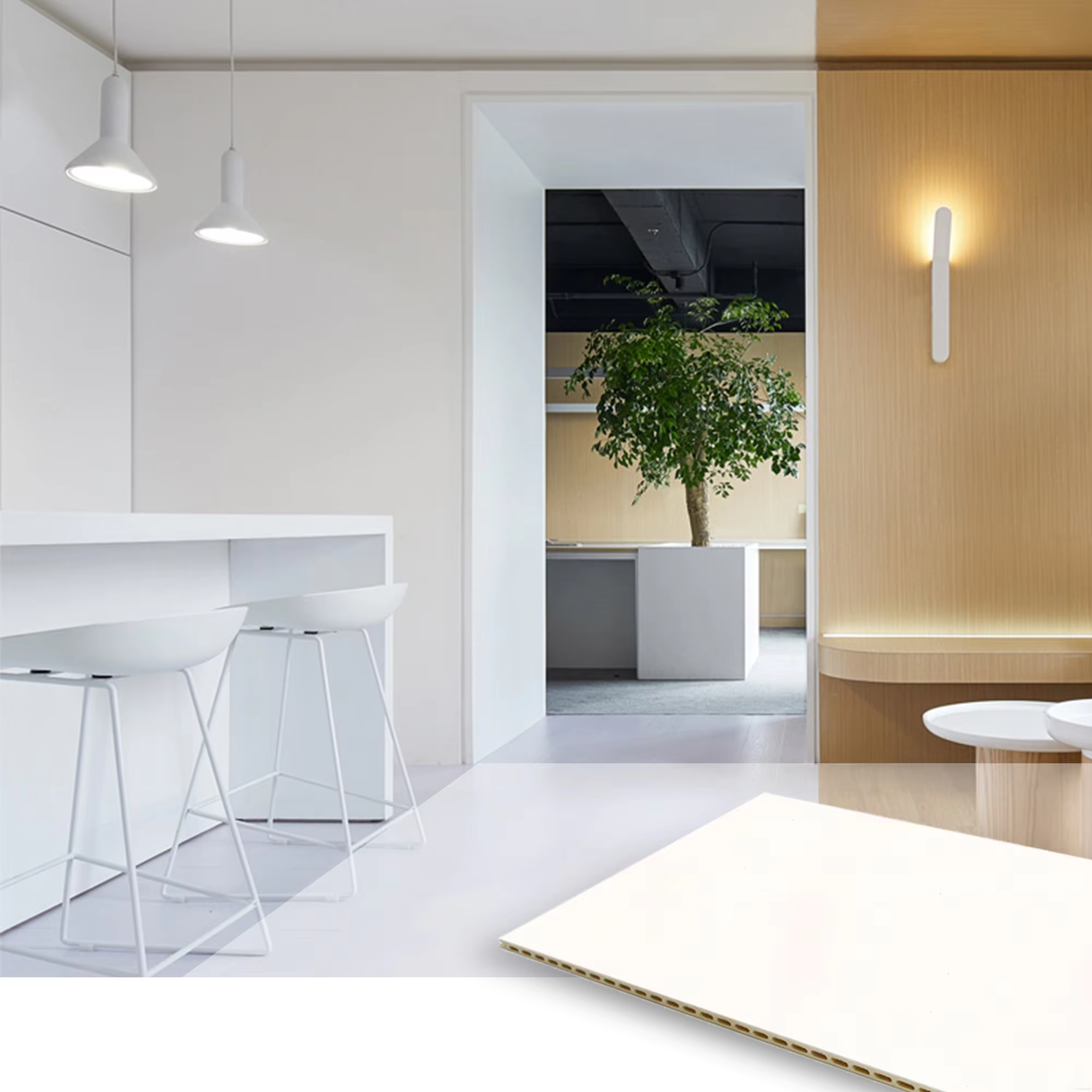
Outdoor PE panels have become increasingly popular in modern construction and landscaping projects due to their exceptional durability, weather resistance, and low maintenance requirements. These versatile materials offer property owners an attractive alternative to traditional wood and metal surfaces while providing superior performance in challenging outdoor environments. Understanding proper cleaning and maintenance techniques is essential for maximizing the lifespan and aesthetic appeal of these innovative building materials.
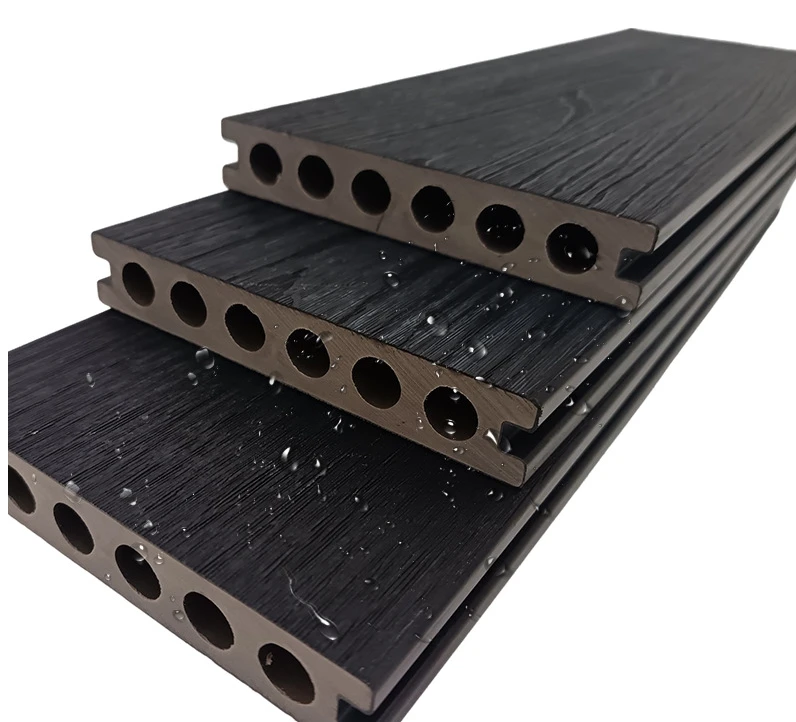
The polyethylene construction of outdoor panels makes them inherently resistant to moisture, insects, and UV radiation, yet proper care remains crucial for maintaining their appearance and structural integrity. Regular maintenance not only preserves the visual appeal of your installation but also prevents costly repairs and premature replacement. Professional contractors and homeowners alike recognize that a systematic approach to panel care significantly extends product lifespan while maintaining optimal performance characteristics.
Investment protection becomes paramount when considering the initial cost of quality outdoor paneling systems. Modern PE panels represent a significant financial commitment, making proper maintenance practices essential for protecting this investment. The following comprehensive guide provides detailed instructions and professional recommendations for establishing an effective cleaning and maintenance routine that will keep your panels looking new for years to come.
Essential Cleaning Techniques for Outdoor PE Panels
Basic Daily and Weekly Cleaning Procedures
Establishing a regular cleaning schedule forms the foundation of effective outdoor PE panels maintenance. Daily inspection and weekly light cleaning prevent the accumulation of dirt, debris, and organic matter that can cause staining or surface degradation over time. Begin each cleaning session by removing loose debris using a soft-bristled brush or leaf blower, working from top to bottom to ensure complete coverage.
For weekly deep cleaning, prepare a solution of warm water and mild dish soap in a ratio of approximately one tablespoon of soap per gallon of water. This gentle mixture effectively removes surface contaminants without damaging the panel finish or compromising the material integrity. Apply the solution using a soft cloth or sponge, working in circular motions to lift embedded dirt and grime from the textured surface.
Thorough rinsing represents a critical step that many property owners overlook during routine cleaning procedures. Use clean water to remove all soap residue, as dried cleaning products can leave unsightly streaks or create a film that attracts additional dirt and debris. A garden hose with adjustable pressure settings works well for this purpose, allowing you to control water flow while ensuring complete soap removal from all panel surfaces.
Advanced Cleaning Methods for Stubborn Stains
Challenging stains require more aggressive cleaning approaches while still maintaining safety for the panel material. Grease stains, tree sap, and bird droppings often resist basic cleaning methods and demand specialized treatment protocols. Create a stronger cleaning solution using warm water and a small amount of oxygen bleach, which provides enhanced cleaning power without the harsh chemicals found in chlorine-based products.
For particularly stubborn stains, allow the cleaning solution to sit on the affected area for several minutes before scrubbing. Use a soft-bristled brush to work the solution into the stain, applying gentle pressure to avoid scratching the panel surface. Multiple applications may be necessary for deeply embedded stains, but patience and persistence typically yield excellent results without damaging the underlying material.
Avoid using abrasive cleaners, steel wool, or harsh chemicals that could permanently damage the panel finish. Products containing acetone, paint thinner, or strong acids can cause discoloration, surface roughening, or chemical burns that compromise both appearance and structural integrity. When in doubt, test any new cleaning product on an inconspicuous area before applying it to visible panel surfaces.
Preventive Maintenance Strategies
Regular Inspection and Early Problem Detection
Systematic inspection protocols enable early detection of potential problems before they develop into costly repairs or replacements. Schedule monthly detailed inspections during favorable weather conditions, examining each panel for signs of damage, wear, or environmental stress. Look for cracks, chips, discoloration, or loose fasteners that could indicate structural issues or installation problems.
Document your findings using photographs and written notes, creating a maintenance log that tracks changes over time. This documentation proves invaluable for warranty claims, insurance purposes, or when planning future maintenance activities. Pay special attention to areas exposed to heavy traffic, extreme weather conditions, or potential impact from nearby vegetation or structures.
Early intervention prevents minor issues from escalating into major problems that require professional repair or panel replacement. Address loose fasteners immediately, clean stains promptly, and monitor any areas showing signs of wear or damage. This proactive approach significantly reduces long-term maintenance costs while preserving the aesthetic appeal of your outdoor PE panels installation.
Seasonal Maintenance Requirements
Different seasons present unique challenges that require adjusted maintenance approaches to protect outdoor panels from environmental stressors. Spring cleaning focuses on removing winter debris, checking for damage from freeze-thaw cycles, and preparing the installation for increased activity during warmer months. Remove accumulated leaves, branches, and other organic matter that could trap moisture against panel surfaces.
Summer maintenance emphasizes protection from UV radiation, heat expansion, and increased foot traffic in recreational areas. Monitor expansion joints and fastener systems for signs of thermal stress, and ensure adequate ventilation around panel installations to prevent heat buildup. Regular cleaning becomes more important during summer months due to increased dust, pollen, and organic matter accumulation.
Fall preparation involves removing leaves and debris that could trap moisture during winter months, checking drainage systems, and applying protective treatments if recommended by the manufacturer. Winter maintenance focuses on snow and ice removal using appropriate tools and techniques that won't damage panel surfaces. Avoid using metal shovels or ice choppers that could scratch or chip the panel finish.
Professional Maintenance Considerations
When to Hire Professional Cleaning Services
Certain maintenance tasks require professional expertise and specialized equipment to ensure safe and effective completion. High installations, complex architectural features, or panels in difficult-to-reach locations often necessitate professional intervention to maintain both safety and cleaning effectiveness. Professional services possess the proper equipment, training, and insurance coverage to handle challenging maintenance scenarios safely.
Consider professional cleaning services for annual deep cleaning, especially in commercial or high-visibility installations where appearance standards must remain consistently high. Professional cleaners use industrial-grade equipment and specialized cleaning products that achieve superior results while minimizing time investment and safety risks for property owners.
Establish relationships with qualified maintenance professionals before problems arise, ensuring rapid response when urgent cleaning or repair needs develop. Professional services also provide valuable consultation regarding maintenance schedules, product recommendations, and long-term care strategies tailored to your specific installation and environmental conditions.
Cost-Benefit Analysis of Professional Maintenance
Professional maintenance services represent an investment that often pays dividends through extended panel life, maintained appearance standards, and reduced replacement costs. Calculate the total cost of professional cleaning against the time value of performing maintenance yourself, considering safety risks, equipment requirements, and result quality differences.
Commercial properties particularly benefit from professional maintenance programs that ensure consistent appearance standards while providing documentation for property management and insurance purposes. Professional services often identify potential problems earlier than untrained observers, preventing costly emergency repairs through proactive intervention strategies.
Evaluate maintenance contracts that include regular cleaning, inspection, and minor repairs as part of a comprehensive service package. These programs typically offer better value than individual service calls while ensuring consistent care that maximizes panel performance and longevity throughout the installation lifecycle.
Long-Term Care and Performance Optimization
Environmental Protection Strategies
Environmental factors significantly impact the maintenance requirements and lifespan of outdoor panel installations. Develop protection strategies that address specific environmental challenges in your geographic location, including extreme temperatures, high humidity, salt exposure, or aggressive UV radiation. Understanding these factors enables targeted maintenance approaches that address the most significant threats to panel integrity.
Install protective barriers or landscaping features that shield panels from harsh environmental conditions where practical. Strategically placed vegetation, awnings, or architectural features can reduce direct UV exposure, deflect driving rain, or provide wind protection that minimizes environmental stress on panel systems.
Monitor weather patterns and adjust maintenance schedules accordingly, increasing cleaning frequency during periods of heavy pollen, dust storms, or other environmental challenges. Proactive environmental protection reduces cleaning requirements while extending panel lifespan and maintaining aesthetic appeal throughout varying weather conditions.
Technology Integration for Maintenance Management
Modern technology offers valuable tools for optimizing maintenance schedules and tracking panel performance over time. Digital photography, maintenance management software, and scheduling applications help property owners maintain detailed records while ensuring consistent care protocols. These tools prove particularly valuable for commercial properties or extensive residential installations.
Implement sensor technology where appropriate to monitor environmental conditions that affect panel performance, including temperature fluctuations, moisture levels, and UV exposure intensity. This data enables data-driven maintenance decisions that optimize cleaning schedules and preventive care protocols based on actual environmental conditions rather than arbitrary schedules.
Consider automated cleaning systems for large installations where manual maintenance becomes impractical or cost-prohibitive. These systems provide consistent cleaning performance while reducing labor costs and ensuring regular maintenance regardless of weather conditions or staff availability constraints.
FAQ
How often should outdoor PE panels be cleaned?
The cleaning frequency for outdoor PE panels depends on environmental conditions and usage patterns. Generally, light cleaning should occur weekly, with thorough deep cleaning performed monthly. Properties in dusty environments, near construction sites, or areas with heavy vegetation may require more frequent cleaning. High-traffic areas also need more attention than panels in protected locations. Seasonal factors like pollen season or winter weather may temporarily increase cleaning requirements.
What cleaning products are safe to use on PE panels?
Safe cleaning products for PE panels include mild dish soap, oxygen bleach solutions, and specialized composite cleaners designed for synthetic materials. Avoid harsh chemicals like acetone, paint thinner, chlorine bleach, or abrasive cleaners that could damage the panel surface. Always test new products on inconspicuous areas first. Use soft-bristled brushes, microfiber cloths, or sponges for application, and ensure thorough rinsing to remove all cleaning residue.
Can pressure washers be used on outdoor PE panels?
Pressure washers can be used on PE panels with proper technique and equipment settings. Use low to moderate pressure settings (1500-2500 PSI maximum) and maintain adequate distance from the panel surface to prevent damage. Use wide spray patterns rather than concentrated streams, and avoid getting too close to panel joints or edges where high pressure could cause separation. Always test pressure settings on inconspicuous areas first and follow manufacturer guidelines for your specific panel system.
How can I prevent staining on outdoor PE panels?
Stain prevention involves regular cleaning, prompt attention to spills, and environmental management around panel installations. Remove organic debris like leaves and branches that could decompose against panel surfaces. Clean bird droppings, tree sap, and other potentially staining materials immediately upon discovery. Ensure proper drainage to prevent standing water, and consider applying manufacturer-recommended protective coatings if available. Regular maintenance and quick response to potential staining agents provide the best prevention strategy for maintaining panel appearance.