
 EN
EN
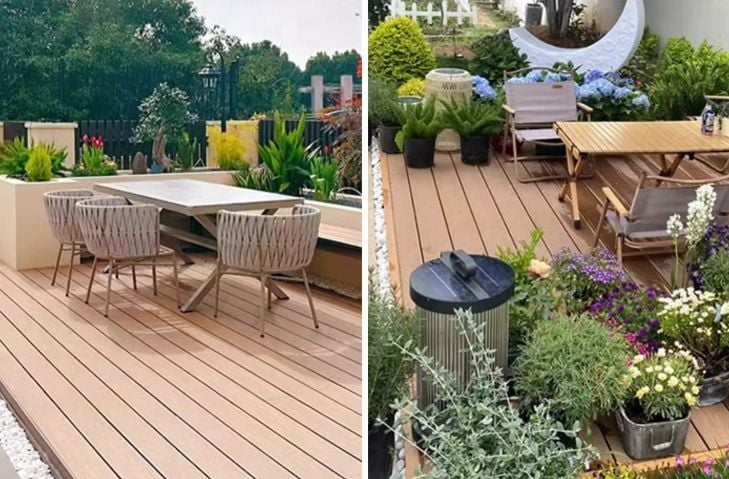
Large-scale construction and renovation projects require materials that deliver exceptional value, durability, and long-term performance. WPC decking has emerged as a superior solution for developers, contractors, and facility managers seeking cost-effective alternatives to traditional wood and composite materials. This engineered flooring option combines the natural aesthetics of wood with the resilience of synthetic polymers, creating a product that addresses both immediate budget constraints and future maintenance considerations.
The financial advantages of WPC decking become increasingly apparent when scaled across large commercial, residential, or industrial projects. Unlike conventional materials that require frequent replacement or extensive upkeep, wood-plastic composite systems deliver measurable returns through reduced lifecycle costs, simplified installation procedures, and minimal ongoing maintenance requirements. Understanding these economic benefits enables project managers to make informed decisions that optimize both initial investments and operational budgets.
Material Cost Analysis and Initial Investment
Comparative Pricing Structure
WPC decking presents compelling cost advantages when evaluated against premium hardwood options and high-end composite alternatives. The manufacturing process utilizes recycled materials and efficient production techniques, resulting in competitive per-square-foot pricing that becomes more attractive as project volumes increase. Bulk purchasing agreements often yield additional discounts for large installations, making WPC decking an economically viable choice for extensive commercial developments.
Material standardization across large projects eliminates the variability and waste associated with natural wood products. Each WPC decking board maintains consistent dimensions, color, and structural properties, reducing ordering complexities and minimizing material overruns. This predictability translates directly into budget certainty, allowing project managers to allocate resources more efficiently and avoid costly mid-project adjustments.
Supply Chain Efficiency
The manufacturing consistency of WPC decking streamlines procurement processes for large-scale installations. Suppliers can reliably forecast delivery schedules and maintain inventory levels that support project timelines without the seasonal fluctuations common with natural wood products. This reliability reduces project delays and associated carrying costs, contributing to overall budget optimization.
Transportation and storage costs benefit from the uniform packaging and stacking characteristics of WPC decking products. The engineered nature of these materials allows for optimized shipping configurations and reduced handling requirements, lowering logistics expenses across the supply chain. These efficiencies become particularly significant for projects requiring multiple deliveries or extended storage periods.
Installation Efficiency and Labor Savings
Simplified Installation Process
WPC decking systems incorporate design features that accelerate installation while reducing skilled labor requirements. Hidden fastener systems and interlocking mechanisms minimize the precision and expertise needed for proper installation, allowing contractors to complete projects faster and with less specialized workforce. This efficiency translates into reduced labor costs and shorter project timelines.
The lightweight nature of WPC decking materials reduces physical strain on installation crews and eliminates the need for heavy lifting equipment in many applications. Workers can handle larger sections more easily, improving productivity and reducing the risk of workplace injuries. These factors contribute to lower insurance costs and reduced project liability exposure.
Reduced Preparation Requirements
Unlike traditional wood decking that requires extensive pre-treatment, sealing, or finishing before installation, WPC decking arrives ready for immediate installation. This eliminates preparation time and material costs associated with primers, stains, or protective coatings. The factory-finished surface maintains consistent appearance across the entire project without additional on-site treatment.
Substrate preparation requirements for WPC decking installations are typically less demanding than those needed for premium wood or stone alternatives. The engineered properties of these materials accommodate minor surface irregularities and provide forgiving installation tolerances, reducing the time and expense associated with precise subfloor preparation.
Long-Term Maintenance Cost Reduction
Durability and Weather Resistance
WPC decking demonstrates exceptional resistance to environmental factors that typically degrade traditional materials over time. The composite structure resists moisture absorption, preventing the swelling, warping, and splitting commonly associated with natural wood products. This stability eliminates costly repairs and replacements that can significantly impact long-term project budgets.
UV resistance built into WPC decking formulations prevents the fading and degradation that requires regular refinishing of wood surfaces. The colorfast properties maintain aesthetic appeal for extended periods without the need for periodic staining or painting, representing substantial savings in both materials and labor over the product lifecycle.
Minimal Ongoing Care
Routine maintenance of WPC decking requires only basic cleaning procedures using standard equipment and supplies. The non-porous surface resists staining and doesn't harbor bacteria or insects, eliminating the need for specialized treatments or pest control measures. This simplified maintenance approach reduces ongoing operational costs and minimizes disruption to facility operations.
The structural integrity of WPC decking remains stable across varying temperature and humidity conditions, reducing the frequency of fastener adjustments and structural repairs. This dimensional stability translates into lower maintenance labor requirements and extended service intervals between inspections.
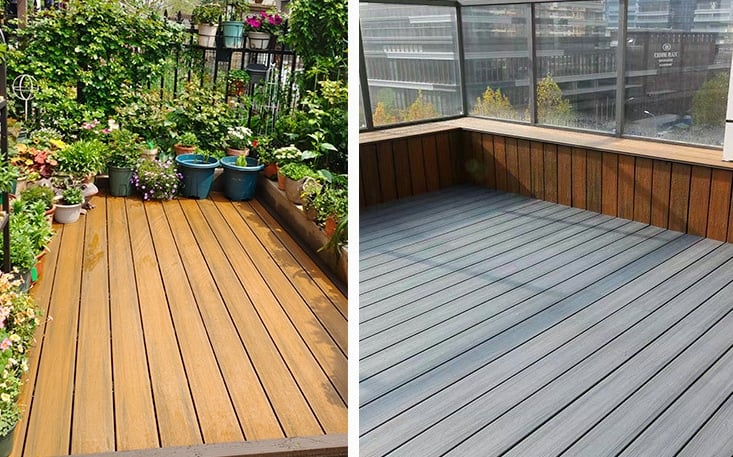
Environmental and Sustainability Benefits
Lifecycle Environmental Impact
WPC decking incorporates significant percentages of recycled materials in its manufacturing process, reducing the environmental impact associated with raw material extraction and processing. This recycled content often qualifies projects for green building certifications and associated financial incentives, adding economic value beyond the direct material costs.
The extended service life of WPC decking reduces the frequency of replacement cycles, minimizing waste generation and disposal costs over time. Unlike treated lumber that requires special disposal procedures due to chemical content, WPC decking can often be recycled at the end of its service life, further reducing environmental liability and disposal expenses.
Energy Efficiency Considerations
The thermal properties of WPC decking contribute to energy efficiency in applications where temperature control is important. The composite material provides better insulation characteristics than solid wood or concrete alternatives, potentially reducing heating and cooling costs in enclosed or semi-enclosed applications.
Manufacturing processes for WPC decking typically require less energy than the harvesting, processing, and transportation of equivalent natural wood products. This energy efficiency often translates into lower embedded costs and supports sustainability goals that may qualify for financial incentives or preferential treatment in competitive bidding situations.
Risk Management and Insurance Considerations
Fire Resistance and Safety
WPC decking formulations often include fire-retardant properties that exceed the performance of natural wood materials. This enhanced fire resistance can result in lower insurance premiums for projects and reduced liability exposure for property owners. The predictable fire performance of engineered materials also simplifies compliance with building codes and safety regulations.
The slip-resistant surface textures available in WPC decking products improve safety conditions in wet or high-traffic environments. Reduced slip and fall incidents translate into lower insurance claims and liability costs, contributing to the overall economic advantages of these materials.
Warranty and Performance Guarantees
Manufacturers of WPC decking typically offer comprehensive warranties that provide financial protection against material defects and performance failures. These warranty programs transfer risk from project owners to manufacturers, reducing the potential for unexpected replacement costs and providing budget predictability for facility managers.
The standardized manufacturing processes used in WPC decking production enable consistent quality control and performance prediction. This reliability supports accurate lifecycle cost modeling and reduces the uncertainty associated with material performance over extended periods.
Project Scalability and Volume Advantages
Bulk Procurement Benefits
Large projects utilizing WPC decking can leverage volume purchasing agreements that provide significant cost reductions compared to smaller installations. Manufacturers often offer tiered pricing structures that reward larger orders with improved unit costs, making these materials particularly attractive for extensive commercial or residential developments.
The ability to consolidate orders across multiple phases of large projects provides additional negotiating leverage and supply chain efficiency. Single-source procurement simplifies project management and can result in preferential pricing, delivery scheduling, and technical support from manufacturers.
Standardization Across Multiple Applications
WPC decking systems can often be adapted for multiple applications within large projects, including decking, wall cladding, and architectural accents. This versatility allows for material standardization that simplifies procurement, installation training, and maintenance procedures while potentially qualifying for additional volume discounts.
The consistent appearance and performance characteristics of WPC decking enable uniform aesthetic standards across large developments without the variability associated with natural materials. This consistency reduces the complexity of quality control and ensures that all areas of the project meet the same performance and appearance standards.
FAQ
How does WPC decking cost compare to traditional wood for large commercial projects
WPC decking typically costs 15-30% more initially than pressure-treated lumber but delivers significant savings through reduced maintenance, longer lifespan, and elimination of regular refinishing requirements. For large commercial projects, the total cost of ownership over 15-20 years often favors WPC decking by 40-60% when factoring in maintenance labor, materials, and replacement costs.
What factors influence the cost-effectiveness of WPC decking in large installations
Project size, local labor costs, climate conditions, and intended use significantly impact WPC decking cost-effectiveness. Larger projects benefit from volume discounts and reduced per-unit installation costs, while harsh climates increase the value proposition through enhanced durability and weather resistance compared to traditional materials.
Can WPC decking installations qualify for green building incentives
Many WPC decking products qualify for LEED credits and other green building certifications due to their recycled content and sustainable manufacturing processes. These qualifications can provide tax incentives, utility rebates, or preferential financing that offset initial material costs and improve project economics.
How do warranty terms affect the long-term cost analysis of WPC decking projects
WPC decking warranties typically range from 10-25 years and cover structural integrity, staining resistance, and color retention. These warranties reduce financial risk and provide budget predictability by transferring potential replacement costs to manufacturers, making lifecycle cost calculations more accurate and favorable for large projects.
Table of Contents
- Material Cost Analysis and Initial Investment
- Installation Efficiency and Labor Savings
- Long-Term Maintenance Cost Reduction
- Environmental and Sustainability Benefits
- Risk Management and Insurance Considerations
- Project Scalability and Volume Advantages
-
FAQ
- How does WPC decking cost compare to traditional wood for large commercial projects
- What factors influence the cost-effectiveness of WPC decking in large installations
- Can WPC decking installations qualify for green building incentives
- How do warranty terms affect the long-term cost analysis of WPC decking projects