
 EN
EN
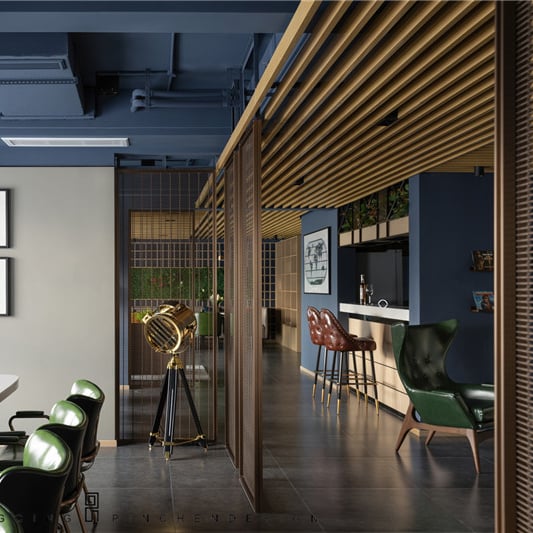
Selecting the appropriate ceiling panel design can dramatically transform your interior space while addressing functional needs like acoustics, lighting, and maintenance. Modern ceiling panels offer diverse aesthetic options that complement various architectural styles, from contemporary minimalism to traditional elegance. Understanding the key factors that influence ceiling panel selection ensures your investment enhances both visual appeal and practical performance. Whether renovating a residential space or designing a commercial environment, the right ceiling panel choice creates lasting impact on room atmosphere and functionality.
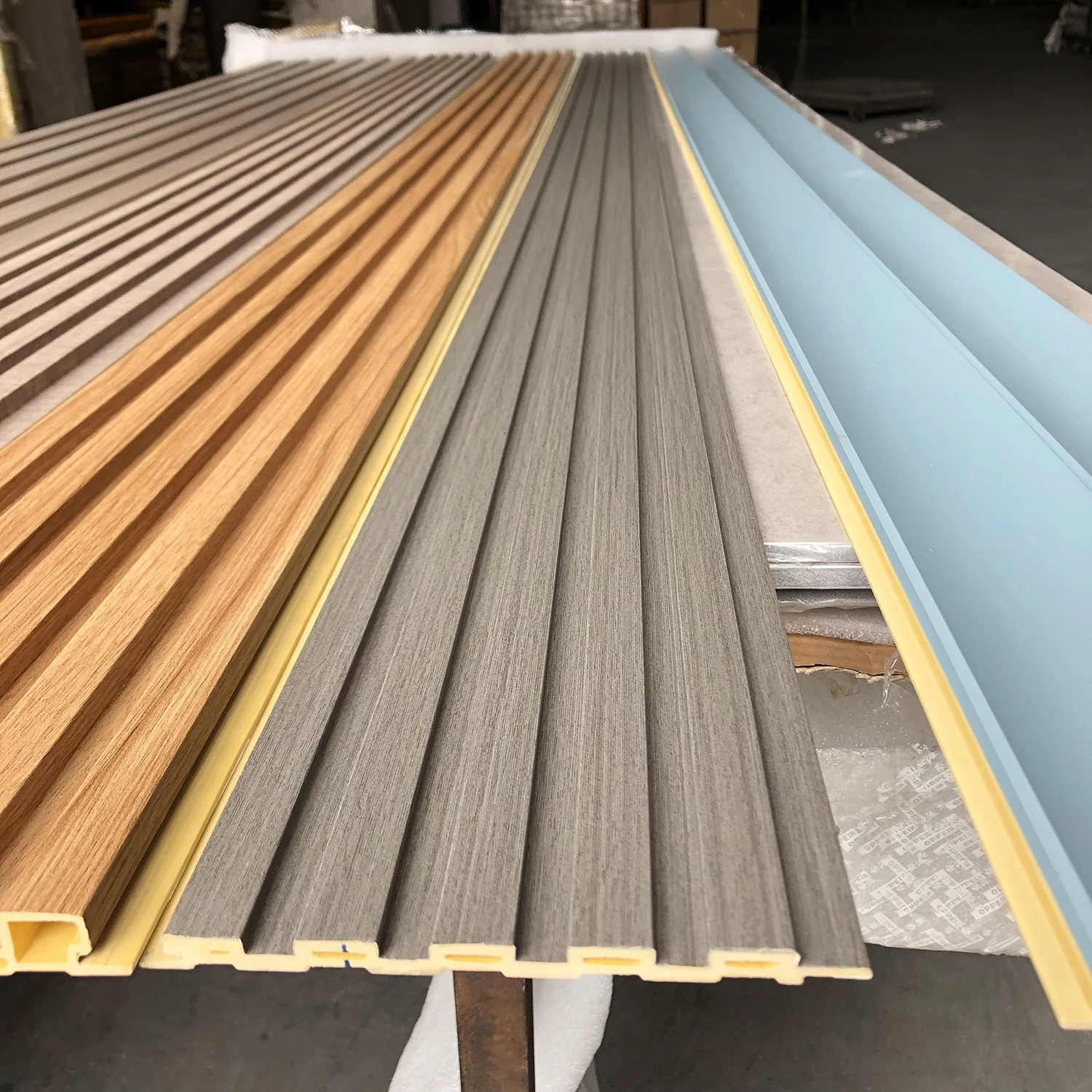
Understanding Different Ceiling Panel Materials
Wood Ceiling Panels
Wood ceiling panels provide natural warmth and timeless appeal that complements both rustic and sophisticated interior designs. Solid hardwood options like oak, cherry, and walnut offer exceptional durability and can be refinished multiple times throughout their lifespan. Engineered wood ceiling panels combine cost-effectiveness with consistent grain patterns, making them ideal for large commercial installations. The natural acoustic properties of wood help reduce echo and create more comfortable sound environments in dining rooms, offices, and entertainment spaces.
Installation flexibility makes wood ceiling panels adaptable to various mounting systems, from simple clip-on designs to more complex suspended frameworks. Maintenance requirements vary depending on wood type and finish, with sealed surfaces requiring periodic cleaning and unsealed options needing regular conditioning. Climate considerations play a crucial role in wood ceiling panel performance, as humidity fluctuations can cause expansion and contraction that affects joint alignment and overall appearance.
Metal Ceiling Panels
Metal ceiling panels deliver exceptional durability and fire resistance, making them popular choices for commercial kitchens, healthcare facilities, and industrial environments. Aluminum ceiling panels offer lightweight installation with excellent corrosion resistance, while steel options provide superior strength for applications requiring structural support. Powder coating technologies enable extensive color customization and surface texture variations that mimic other materials like wood or stone.
Perforated metal ceiling panels serve dual functions by providing acoustic absorption while maintaining the clean, modern aesthetic that metal surfaces deliver. Thermal properties of metal ceiling panels contribute to energy efficiency through enhanced heat reflection and distribution. Installation speed advantages make metal ceiling panels cost-effective for large-scale projects, as standardized mounting systems facilitate rapid deployment with minimal specialized labor requirements.
Evaluating Room-Specific Requirements
Moisture and Humidity Considerations
Bathroom and kitchen environments demand ceiling panel materials that withstand constant moisture exposure without degrading or supporting mold growth. PVC and composite ceiling panels excel in high-humidity applications due to their non-porous surfaces that resist water absorption and facilitate easy cleaning. Vapor barrier properties become essential when selecting ceiling panels for basement installations or rooms with poor ventilation systems.
Moisture-resistant ceiling panel options include fiberglass-reinforced products that maintain structural integrity even when directly exposed to water. Special attention to joint sealing and edge treatments prevents moisture infiltration that could compromise the supporting structure. Regular inspection schedules help identify potential moisture issues before they affect ceiling panel performance or create health hazards.
Acoustic Performance Requirements
Sound absorption capabilities significantly influence ceiling panel selection for conference rooms, recording studios, and open office environments. Perforated ceiling panels with backing materials provide superior noise reduction compared to solid surface alternatives. Noise Reduction Coefficient ratings help quantify acoustic performance and guide selection for specific sound control objectives.
Ceiling panel thickness directly correlates with acoustic absorption efficiency, as thicker materials provide greater sound dampening across broader frequency ranges. Installation height affects acoustic performance, with higher ceiling panel installations reducing effectiveness compared to lower-mounted systems. Combined acoustic strategies incorporating ceiling panels with wall treatments and flooring selections create comprehensive sound management solutions for challenging environments.
Design Integration and Aesthetic Considerations
Color and Finish Coordination
Ceiling panel color selection influences perceived room height and overall spatial dynamics, with light colors creating expansive feelings and darker tones adding intimacy. Coordinating ceiling panel finishes with existing architectural elements ensures cohesive design flow throughout connected spaces. Texture variations in ceiling panels add visual interest without overwhelming other design elements or competing with focal point features.
Contemporary ceiling panel designs incorporate subtle patterns and geometric elements that complement modern furniture and fixture selections. Traditional spaces benefit from ceiling panels with classic profiles and warm finishes that enhance period-appropriate aesthetics. Color temperature considerations affect how ceiling panels appear under different lighting conditions, making sample evaluation under actual installation lighting essential for accurate selection.
Lighting Integration Strategies
Integrated lighting systems work seamlessly with specially designed ceiling panels that accommodate recessed fixtures, LED strips, and accent lighting elements. Translucent ceiling panels enable backlighting effects that create dramatic ambient illumination while concealing mechanical systems and infrastructure. Reflective ceiling panel surfaces enhance existing lighting efficiency by distributing illumination more evenly throughout room spaces.
Heat management becomes crucial when combining ceiling panels with high-output lighting systems, requiring materials that resist thermal degradation and discoloration. Access panel integration allows maintenance of lighting systems without disturbing surrounding ceiling panel installations. Smart lighting compatibility ensures ceiling panel selections support future technology upgrades and automation systems.
Installation Methods and Structural Requirements
Suspended Grid Systems
Suspended ceiling panel systems offer excellent accessibility for maintenance and utilities while providing clean, professional appearances suitable for commercial applications. Grid-based ceiling panel installations accommodate various panel sizes and allow for easy replacement of individual sections without disturbing adjacent areas. Load calculations ensure suspended systems adequately support ceiling panel weight plus any integrated lighting or mechanical equipment.
Seismic considerations affect suspended ceiling panel system design in earthquake-prone regions, requiring specialized bracing and connection methods. Thermal expansion allowances prevent buckling and alignment issues as temperature fluctuations affect both ceiling panels and supporting framework. Professional installation ensures proper grid leveling and secure connections that maintain ceiling panel appearance and performance over time.
Direct Mount Applications
Direct mount ceiling panel installations create streamlined appearances by eliminating visible grid systems, making them ideal for residential applications and upscale commercial spaces. Furring strip systems provide level mounting surfaces for ceiling panels while accommodating minor structural irregularities in existing ceilings. Adhesive mounting methods work effectively for lightweight ceiling panels in stable environments with minimal temperature fluctuations.
Structural analysis determines whether existing ceiling frameworks can support direct-mount ceiling panel installations without additional reinforcement. Access planning becomes more complex with direct-mount ceiling panels, requiring strategic placement of removable sections for utility access. Quality control during direct mounting ensures consistent gap spacing and alignment that maintains professional appearance standards.
Maintenance and Longevity Factors
Cleaning and Care Protocols
Regular maintenance schedules extend ceiling panel lifespan and preserve aesthetic qualities through systematic cleaning and inspection procedures. Different ceiling panel materials require specific cleaning products and techniques to avoid surface damage or finish deterioration. Dust accumulation patterns help identify ventilation issues that could affect ceiling panel performance and indoor air quality.
Professional cleaning services understand the unique requirements of various ceiling panel types and possess appropriate equipment for safe, effective maintenance. Stain removal protocols address common issues like water marks, cooking residue, and smoke damage without compromising ceiling panel integrity. Documentation of maintenance activities supports warranty claims and helps track ceiling panel performance over time.
Replacement and Upgrade Considerations
Modular ceiling panel systems facilitate partial replacements when damage occurs or design preferences change, reducing overall renovation costs. Compatibility with existing mounting systems ensures new ceiling panels integrate seamlessly with unchanged sections during upgrade projects. Availability of matching ceiling panel products years after initial installation depends on manufacturer stability and product line continuity.
Technology integration capabilities allow ceiling panels to adapt to evolving building systems and smart home technologies without complete replacement. Sustainability considerations favor ceiling panel selections that support recycling or repurposing at the end of their useful life. Investment planning accounts for expected ceiling panel lifespan and replacement costs when evaluating different material options and quality levels.
FAQ
What factors should I prioritize when selecting ceiling panels for a high-moisture environment?
Prioritize moisture resistance, mold prevention, and easy cleaning capabilities when selecting ceiling panels for bathrooms, kitchens, or basements. Choose materials like PVC, composite, or specially treated wood products that resist water absorption and maintain structural integrity in humid conditions. Ensure proper ventilation and consider ceiling panels with antimicrobial treatments to prevent mold and mildew growth.
How do I determine the appropriate ceiling panel size for my room?
Room dimensions, ceiling height, and visual proportions guide ceiling panel size selection for optimal aesthetic results. Larger ceiling panels create streamlined appearances suitable for spacious rooms, while smaller panels add detail and texture to intimate spaces. Consider installation complexity, as larger ceiling panels may require additional structural support but reduce installation time and joint lines.
Can ceiling panels improve room acoustics, and which types work best?
Perforated ceiling panels with acoustic backing materials significantly improve sound absorption and reduce echo in rooms with hard surfaces. Mineral fiber and specially designed foam-core ceiling panels offer excellent acoustic properties for conference rooms, restaurants, and entertainment spaces. Combine ceiling panel acoustic treatments with wall and floor materials for comprehensive sound management solutions.
What maintenance requirements should I expect with different ceiling panel materials?
Wood ceiling panels require periodic cleaning and may need refinishing every few years depending on finish type and environmental conditions. Metal and PVC ceiling panels need minimal maintenance beyond regular cleaning with appropriate products. Natural materials like bamboo or cork ceiling panels may require special care products to maintain their appearance and prevent degradation from UV exposure or humidity changes.
Table of Contents
- Understanding Different Ceiling Panel Materials
- Evaluating Room-Specific Requirements
- Design Integration and Aesthetic Considerations
- Installation Methods and Structural Requirements
- Maintenance and Longevity Factors
-
FAQ
- What factors should I prioritize when selecting ceiling panels for a high-moisture environment?
- How do I determine the appropriate ceiling panel size for my room?
- Can ceiling panels improve room acoustics, and which types work best?
- What maintenance requirements should I expect with different ceiling panel materials?