
 EN
EN
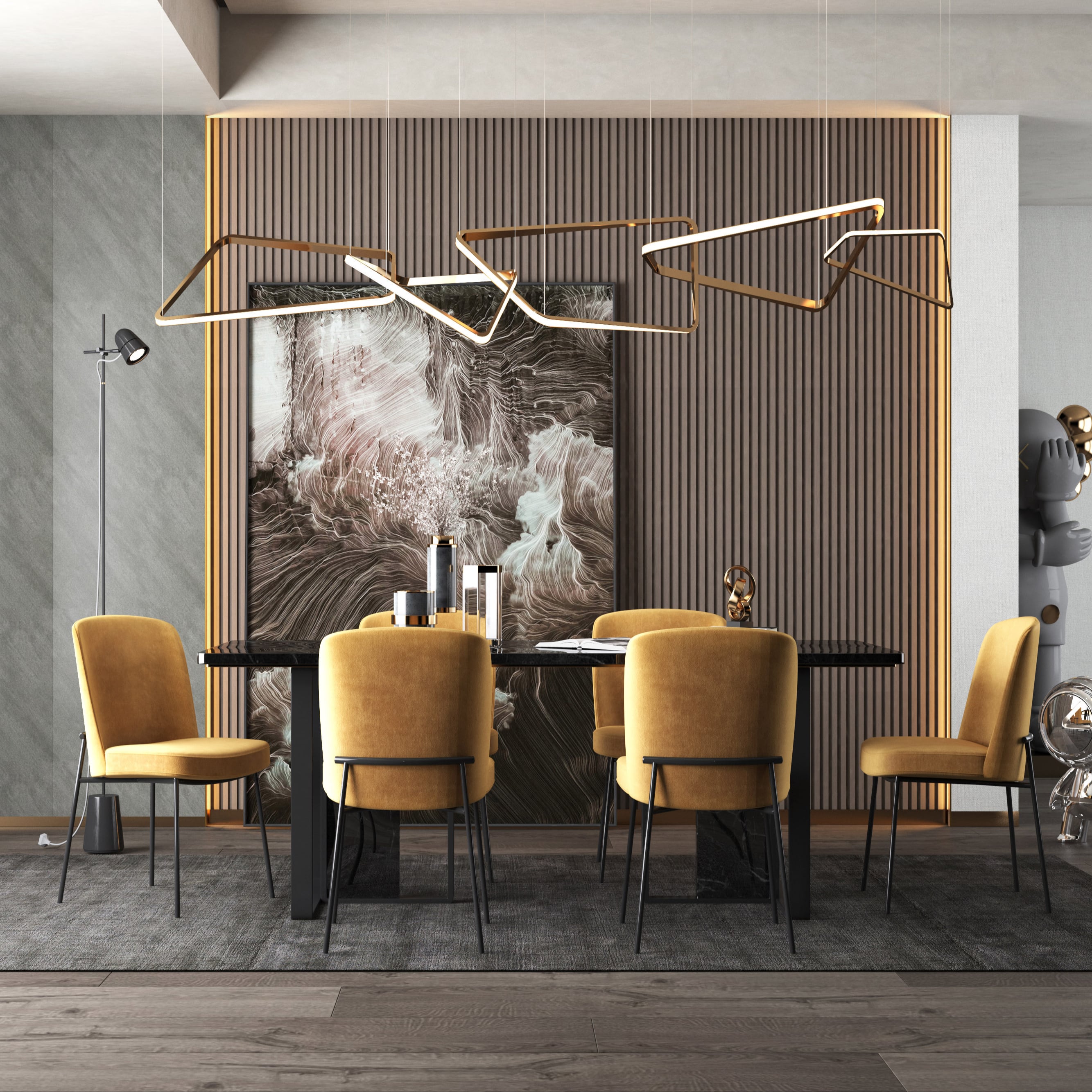
Old ceilings can significantly detract from the aesthetic appeal and functionality of any interior space. Whether dealing with water stains, cracks, outdated popcorn textures, or simply worn surfaces, property owners often face the dilemma of expensive ceiling replacement versus finding cost-effective solutions. Installing decorative panels over existing ceiling surfaces has emerged as an innovative approach that transforms spaces while avoiding the mess, time, and expense of complete ceiling removal. This renovation strategy offers remarkable versatility for residential and commercial applications, providing both immediate visual impact and long-term benefits.
Cost-Effective Renovation Solutions
Immediate Budget Savings
Traditional ceiling replacement projects require extensive demolition, debris removal, and complete reconstruction phases that quickly escalate costs. Decorative panels eliminate these expensive preliminary steps by installing directly over existing surfaces. Property owners typically save 60-80% compared to full ceiling replacement projects, making this approach particularly attractive for budget-conscious renovations. The reduced labor requirements and shorter project timelines contribute additional savings through minimized disruption to daily operations or living arrangements.
Material costs for decorative panels remain significantly lower than premium ceiling replacement materials like drywall, insulation, and finishing compounds. Modern panel systems offer diverse price points, allowing projects to achieve dramatic transformations regardless of budget constraints. The installation process requires basic tools and skills, potentially enabling property owners to complete projects independently and save on professional labor costs.
Long-Term Investment Value
Quality decorative panels provide exceptional durability and longevity, often outlasting traditional ceiling materials. Premium panel systems resist moisture, temperature fluctuations, and normal wear patterns that typically damage conventional ceiling surfaces. This durability translates into reduced maintenance requirements and fewer replacement cycles over the building's lifespan. Property values benefit from the enhanced aesthetic appeal and functional improvements that modern panel installations provide.
Energy efficiency improvements often accompany decorative panel installations, particularly when panels include insulative properties or create additional air gaps. These thermal benefits reduce heating and cooling costs while improving overall comfort levels. The combination of immediate visual enhancement and long-term operational savings makes panel installation an intelligent investment strategy for property improvement projects.
Installation Advantages and Efficiency
Simplified Installation Process
Modern decorative panels feature engineered mounting systems that streamline installation procedures significantly. Most panel systems utilize clip-on mechanisms, adhesive backing, or simple mechanical fasteners that allow quick attachment to existing ceiling surfaces. The straightforward installation process eliminates complex measuring, cutting, and fitting procedures associated with traditional ceiling materials. Professional installers can typically complete standard room installations within single working days, minimizing project disruption.
The lightweight nature of contemporary panel materials reduces structural load concerns and simplifies handling during installation. Workers can safely maneuver panels into position without heavy lifting equipment or extensive scaffolding systems. Pre-finished panel surfaces eliminate time-consuming painting, staining, or sealing procedures that traditional materials require. This ready-to-install characteristic significantly accelerates project completion timelines.
Minimal Preparation Requirements
Unlike complete ceiling replacement projects, decorative panels require minimal surface preparation before installation. Existing ceiling imperfections, minor cracks, or surface irregularities become hidden beneath the new panel system without extensive repair work. Basic cleaning and debris removal typically constitute the entire preparation phase, eliminating costly surface restoration procedures.
Electrical modifications remain minimal since most panel systems accommodate existing light fixtures and ceiling fans without relocation. Panels can be precisely cut around electrical components using standard tools, maintaining proper clearances and safety requirements. This compatibility with existing infrastructure reduces project complexity and associated costs while preserving functional ceiling elements.
Aesthetic Enhancement and Design Flexibility
Contemporary Style Options
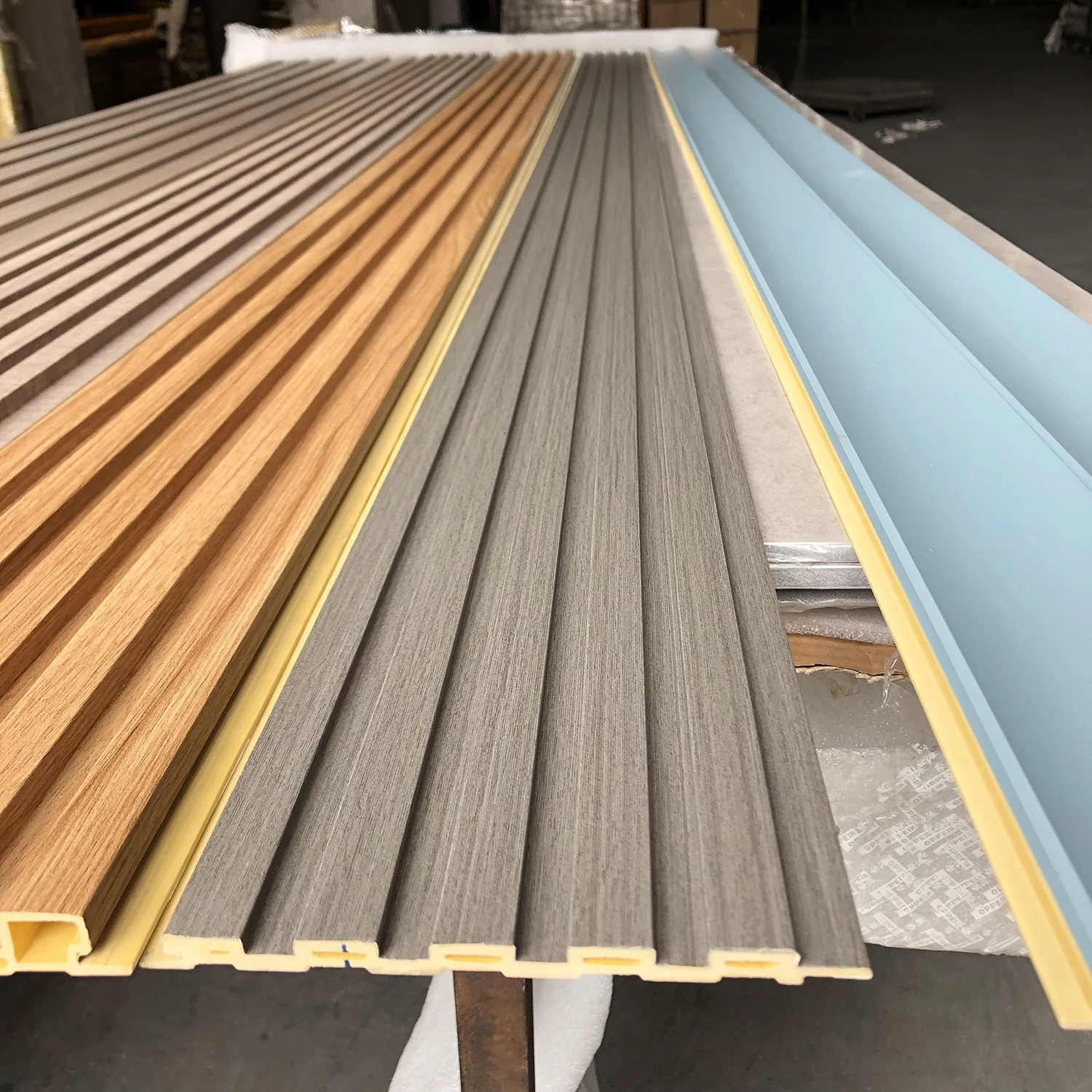
Modern decorative panels offer unprecedented design flexibility through diverse textures, patterns, colors, and finishes. Three-dimensional panels create sophisticated shadow patterns and visual depth that transform ordinary ceiling spaces into architectural features. Wood-grain finishes, metallic surfaces, geometric patterns, and custom textures enable designers to achieve specific aesthetic goals while maintaining budget considerations.
Panel systems accommodate various interior design styles, from industrial chic to contemporary minimalism and traditional elegance. The ability to mix panel types, orientations, and finishes within single installations creates unique custom appearances that reflect individual preferences. This design versatility makes decorative panels suitable for residential, commercial, hospitality, and retail applications where distinctive ceiling treatments enhance overall ambiance.
Visual Problem Solving
Decorative panels excel at concealing common ceiling problems including water stains, cracks, uneven surfaces, and outdated textures like popcorn ceilings. The panel overlay system completely masks these imperfections while creating fresh, modern appearances. This visual transformation capability makes panels particularly valuable for renovation projects where ceiling problems would otherwise require expensive remediation.
Strategic panel placement can visually alter room proportions and ceiling heights through pattern direction and color selection. Horizontal panel orientations tend to expand perceived room width, while vertical arrangements create height impressions. Light-colored panels reflect illumination to brighten spaces, while darker finishes create intimate, cozy atmospheres. These optical effects provide designers with powerful tools for spatial enhancement.
Performance and Maintenance Benefits
Enhanced Durability Characteristics
Contemporary decorative panels incorporate advanced materials engineered for superior performance in interior environments. High-density fiberboard, composite materials, and treated wood products resist warping, cracking, and dimensional changes that affect traditional ceiling materials. These stability characteristics ensure long-term appearance retention and structural integrity throughout normal building movement cycles.
Moisture resistance represents a critical advantage for decorative panels in humid environments like bathrooms, kitchens, and basements. Quality panel systems include protective coatings or inherent material properties that prevent water absorption and related damage. This moisture tolerance extends panel lifespan while maintaining appearance quality in challenging environmental conditions.
Simplified Maintenance Requirements
Decorative panels typically require minimal ongoing maintenance compared to painted or textured ceiling surfaces. Smooth panel finishes resist dust accumulation and clean easily with standard household products. Pre-finished surfaces eliminate periodic repainting requirements that traditional ceilings demand, reducing long-term maintenance costs and effort.
Individual panel replacement capabilities provide maintenance advantages when damage occurs to specific ceiling areas. Rather than repairing and refinishing entire ceiling sections, property owners can replace individual damaged panels while maintaining consistent appearance throughout the space. This modular approach to ceiling maintenance reduces repair costs and minimizes disruption during maintenance activities.
Environmental and Health Considerations
Sustainable Material Options
Many modern decorative panels incorporate sustainable materials and manufacturing processes that support environmental responsibility. Recycled content, rapidly renewable resources, and low-emission production methods characterize leading panel products. These environmental considerations align with green building initiatives and sustainable design practices increasingly important in contemporary construction and renovation projects.
The overlay installation method for decorative panels eliminates demolition waste associated with ceiling replacement projects. Existing ceiling materials remain in place, preventing debris generation and disposal requirements that contribute to landfill burdens. This waste reduction benefit appeals to environmentally conscious property owners seeking renovation solutions that minimize ecological impact.
Indoor Air Quality Improvements
Quality decorative panels often improve indoor air quality by sealing existing ceiling surfaces that may release dust, fibers, or other airborne particles. This containment effect particularly benefits spaces with older ceiling materials that could pose respiratory concerns. Low-emission panel materials contribute to healthier indoor environments by avoiding volatile organic compounds common in traditional building materials.
Anti-microbial surface treatments available on premium decorative panels actively resist mold, mildew, and bacterial growth that can compromise indoor air quality. These protective characteristics prove especially valuable in moisture-prone areas where traditional ceiling materials might support harmful microorganism development. The combination of containment and active protection creates healthier interior environments for occupants.
FAQ
How long do decorative panels typically last when installed over existing ceilings
Quality decorative panels generally provide 15-25 years of reliable service when properly installed over existing ceiling surfaces. Premium materials with protective finishes often exceed this lifespan considerably, particularly in controlled interior environments. The durability depends on material quality, environmental conditions, and maintenance practices, but most installations significantly outlast traditional painted ceiling surfaces.
Can decorative panels be installed over any type of existing ceiling material
Most decorative panels install successfully over drywall, plaster, wood, concrete, and even textured surfaces like popcorn ceilings. The key requirement involves ensuring the existing ceiling structure can support the additional panel weight, which is typically minimal. Severely damaged or unstable existing ceilings may require basic repairs before panel installation, but most surfaces accept panels without extensive preparation.
Do decorative panels require special tools or professional installation
Basic decorative panels often install using standard household tools including drills, saws, levels, and measuring devices. Many panel systems feature user-friendly mounting mechanisms designed for DIY installation. However, complex patterns, electrical integration, or large-scale commercial installations benefit from professional expertise to ensure optimal results and proper safety compliance.
What maintenance is required for decorative panels over time
Decorative panels require minimal ongoing maintenance, typically limited to periodic cleaning with mild soap solutions and soft cloths. Pre-finished surfaces resist staining and wear, eliminating the need for regular repainting or refinishing. Occasional inspection for loose panels or minor damage allows for prompt repairs that maintain overall system integrity and appearance quality.