
 EN
EN
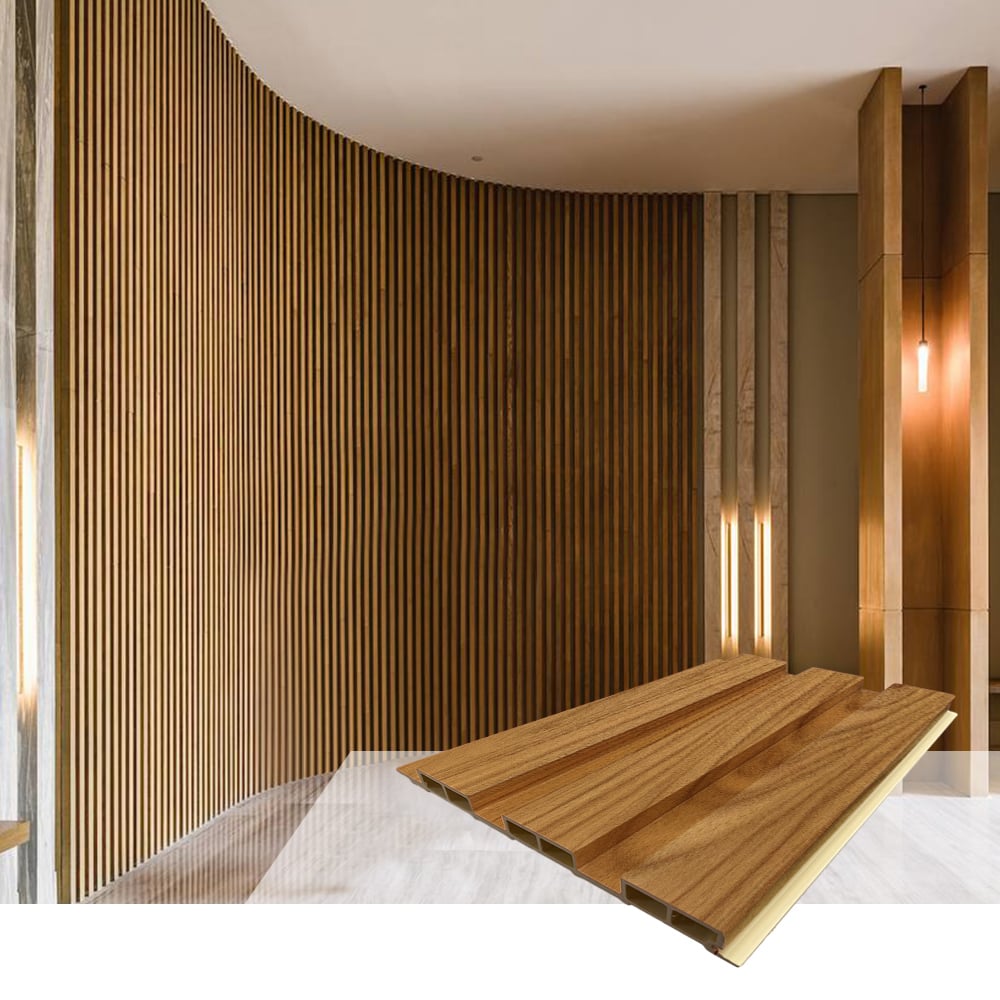
Proper maintenance of ceiling panels is essential for preserving the aesthetic appeal and longevity of your interior spaces. Whether you have installed decorative ceiling panels in residential or commercial settings, understanding the specific cleaning and maintenance requirements for different materials ensures optimal performance and appearance over time. Modern ceiling panels come in various materials including PVC, wood composite, metal, and mineral fiber, each requiring tailored care approaches to maintain their structural integrity and visual appeal.
Understanding Different Ceiling Panel Materials
PVC and Composite Ceiling Panels
PVC ceiling panels have gained popularity due to their moisture resistance, durability, and low maintenance requirements. These synthetic panels resist warping, cracking, and fading, making them ideal for high-humidity environments like bathrooms and kitchens. The smooth surface of PVC ceiling panels allows for easy cleaning with standard household cleaners, while their non-porous nature prevents the absorption of odors and stains.
Wood-plastic composite ceiling panels combine the natural appearance of wood with the durability of synthetic materials. These hybrid ceiling panels offer enhanced resistance to moisture and insects compared to traditional wood panels, while maintaining an authentic wood grain texture. The manufacturing process creates a surface that requires minimal treatment while providing excellent dimensional stability.
Traditional Material Ceiling Panels
Natural wood ceiling panels require more intensive maintenance due to their organic composition. These panels may expand and contract with humidity changes, requiring periodic inspection for warping or splitting. Wood ceiling panels also need protection from moisture and may require refinishing every few years to maintain their appearance and protective coating.
Metal ceiling panels, typically made from aluminum or steel, offer exceptional durability and fire resistance. These industrial-grade ceiling panels resist corrosion and maintain their structural integrity in harsh environments. However, metal panels may show fingerprints, water spots, and scratches more readily than other materials, requiring specific cleaning techniques to preserve their finish.
Essential Cleaning Tools and Materials
Basic Cleaning Equipment
Effective maintenance of ceiling panels requires appropriate tools and cleaning solutions. Microfiber cloths are essential for gentle cleaning without scratching delicate surfaces, while extendable dusters help reach high ceiling panels safely. A stable ladder or scaffold system ensures secure access to elevated ceiling panels during cleaning operations.
Soft-bristled brushes help remove accumulated dust and debris from textured ceiling panels without damaging the surface. Vacuum cleaners with soft brush attachments provide efficient dust removal from large ceiling panel installations. For heavily soiled ceiling panels, mild detergent solutions and clean water are typically sufficient for most cleaning tasks.
Specialized Cleaning Solutions
Different ceiling panel materials may require specific cleaning products to avoid damage or discoloration. pH-neutral cleaners work well for most synthetic ceiling panels, while wood-specific cleaners help preserve natural wood finishes. Avoid abrasive cleaners or strong chemicals that can damage protective coatings on decorative ceiling panels.
Antistatic cleaning solutions help reduce dust accumulation on smooth ceiling panels, extending the time between cleaning sessions. For commercial installations with large ceiling panel areas, consider using spray bottles for even application of cleaning solutions across multiple panels simultaneously.
Step-by-Step Cleaning Procedures
Dust Removal and Initial Preparation
Begin the cleaning process by removing loose dust and debris from ceiling panels using a soft brush or vacuum attachment. Work systematically across the entire ceiling surface, paying attention to joints and edges where dust commonly accumulates. This preliminary step prevents dirt from being spread during wet cleaning and reduces the amount of cleaning solution required.
Inspect ceiling panels for any visible damage, loose connections, or areas requiring special attention before beginning wet cleaning procedures. Document any issues found during inspection to address them appropriately during the maintenance process. Remove any removable ceiling panels that require intensive cleaning or repair work.
Wet Cleaning Techniques
Apply cleaning solution to a small, inconspicuous area of the ceiling panels first to test for any adverse reactions or discoloration. Once compatibility is confirmed, work in manageable sections to prevent cleaning solution from drying on the ceiling panels before proper cleaning and rinsing. Use overlapping circular motions to ensure thorough coverage and consistent cleaning results.
For stubborn stains or heavily soiled areas, allow the cleaning solution to dwell on the ceiling panels for several minutes before gentle scrubbing. Rinse thoroughly with clean water to remove all cleaning residue, as leftover chemicals can attract dirt or cause discoloration over time. Dry the ceiling panels completely using clean, dry cloths or allow natural air drying in well-ventilated areas.
Material-Specific Maintenance Guidelines
Maintaining Synthetic Panel Systems
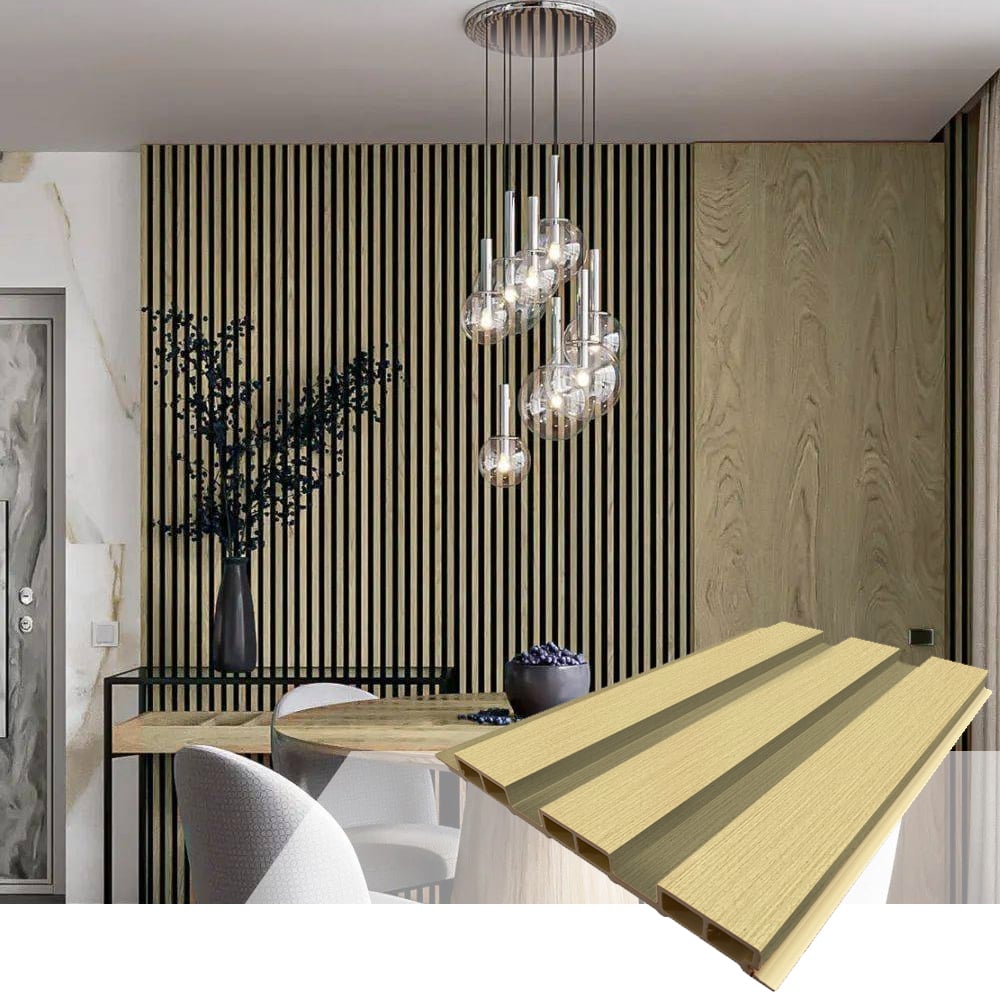
PVC and composite ceiling panels require minimal ongoing maintenance beyond regular cleaning. These durable materials resist most environmental factors that affect natural materials, but periodic inspection of mounting hardware and joint seals ensures long-term performance. Check for any signs of thermal expansion or contraction that might affect panel alignment or create gaps.
Synthetic ceiling panels may accumulate static electricity, attracting dust more rapidly in dry environments. Regular application of antistatic treatments helps reduce dust accumulation and maintains the clean appearance of ceiling panels between scheduled maintenance sessions. Address any surface scratches promptly to prevent them from becoming more visible over time.
Natural Material Care Requirements
Wood ceiling panels require protection from moisture to prevent warping, splitting, or mold growth. Monitor humidity levels in rooms with wood ceiling panels and maintain appropriate ventilation to prevent moisture accumulation. Inspect wood panels regularly for signs of insect damage, as some wood species are more susceptible to boring insects than others.
Apply appropriate wood treatments or finishes as recommended by the manufacturer to maintain the protective coating on natural wood ceiling panels. Sand and refinish damaged areas promptly to prevent further deterioration and maintain uniform appearance across all ceiling panels. Consider seasonal maintenance schedules that account for humidity changes throughout the year.
Common Problems and Solutions
Addressing Staining and Discoloration
Water stains on ceiling panels often indicate underlying moisture problems that must be addressed before cleaning the visible staining. Identify and repair any roof leaks, plumbing issues, or ventilation problems that contribute to water damage on ceiling panels. Clean water stains using appropriate stain removers designed for the specific panel material.
Smoke and grease stains require specialized cleaning approaches depending on the ceiling panel material. Synthetic panels typically respond well to degreasing agents, while natural materials may require gentler treatment to avoid damage. Test cleaning methods on hidden areas of ceiling panels before treating visible stained areas.
Structural and Installation Issues
Loose or sagging ceiling panels pose safety risks and require immediate attention. Check mounting hardware and support systems regularly to ensure secure installation of all ceiling panels. Replace any damaged fasteners or support components using appropriate hardware designed for the specific panel weight and material.
Gaps between ceiling panels may develop due to thermal expansion, settling, or improper installation. Small gaps can often be addressed with appropriate caulking or trim pieces, while larger gaps may require panel repositioning or replacement. Maintain consistent gap spacing throughout ceiling panel installations for professional appearance.
Preventive Maintenance Strategies
Environmental Control Measures
Controlling environmental factors significantly reduces maintenance requirements for ceiling panels. Proper ventilation prevents moisture accumulation that can damage both synthetic and natural ceiling panel materials. Install appropriate ventilation systems in high-humidity areas to protect ceiling panels from moisture-related problems.
Temperature control helps minimize thermal expansion and contraction cycles that can affect ceiling panel alignment and joint integrity. Consistent indoor temperatures reduce stress on ceiling panel mounting systems and help maintain uniform appearance across large installations.
Regular Inspection Schedules
Establish regular inspection schedules appropriate for your ceiling panel material and environmental conditions. Commercial installations may require monthly inspections, while residential ceiling panels might need quarterly assessment. Document findings during inspections to track any developing problems with specific ceiling panels.
Schedule professional maintenance for complex ceiling panel systems or when specialized equipment is required for safe cleaning access. Professional maintenance teams have experience with various ceiling panel materials and can identify potential problems before they become costly repairs.
Safety Considerations During Maintenance
Personal Safety Equipment
Always use appropriate personal protective equipment when cleaning ceiling panels, including safety glasses to protect from falling debris and chemical splashes. Wear non-slip footwear when working on ladders or elevated platforms during ceiling panel maintenance. Use gloves appropriate for the cleaning chemicals being used to prevent skin irritation or chemical burns.
Ensure adequate ventilation when using cleaning chemicals on ceiling panels, especially in enclosed spaces. Some cleaning products may produce fumes that require ventilation or respiratory protection during use on ceiling panels in confined areas.
Electrical Safety Precautions
Turn off electrical power to lighting fixtures and other electrical components before cleaning ceiling panels with wet methods. Water and electricity create dangerous conditions that can result in electrocution or electrical system damage. Allow all electrical components to dry completely before restoring power after cleaning ceiling panels.
Inspect electrical connections and junction boxes accessible during ceiling panel maintenance for signs of damage or deterioration. Report any electrical problems to qualified electricians rather than attempting repairs during routine ceiling panel cleaning procedures.
Professional vs. DIY Maintenance
When to Consider Professional Services
Complex ceiling panel installations in commercial buildings or high-ceiling residential spaces may require professional cleaning services with specialized equipment. Professional services have access to aerial lifts and other equipment that safely reach tall ceiling panels without risk to untrained individuals. Consider professional services for ceiling panel installations in healthcare facilities, restaurants, or other environments with strict cleanliness requirements.
Historic buildings with decorative ceiling panels may require specialized knowledge and techniques to preserve original materials and finishes. Professional restoration services understand appropriate methods for cleaning and maintaining antique ceiling panels without causing irreversible damage to historic materials.
Cost-Effective DIY Approaches
Most residential ceiling panel maintenance can be accomplished safely using basic tools and cleaning supplies. Develop systematic cleaning routines that address all ceiling panels efficiently while maintaining safety protocols. Purchase quality cleaning tools that will provide long service life across multiple ceiling panel maintenance sessions.
Learn to identify early signs of problems with ceiling panels that can be addressed before requiring professional intervention. Regular DIY maintenance prevents minor issues from developing into costly repairs or replacement of damaged ceiling panels.
FAQ
How often should ceiling panels be cleaned?
The cleaning frequency for ceiling panels depends on the environment and panel material. In typical residential settings, ceiling panels should be dusted every 3-6 months and thoroughly cleaned annually. Commercial environments or areas with higher dust levels may require monthly cleaning. PVC and composite ceiling panels generally require less frequent cleaning than natural materials due to their smooth, non-porous surfaces that resist dust accumulation.
Can all ceiling panel types be cleaned with the same methods?
No, different ceiling panel materials require specific cleaning approaches. Synthetic ceiling panels like PVC can typically handle stronger cleaning solutions and more aggressive cleaning methods. Natural wood ceiling panels require gentler treatment with wood-specific cleaners to avoid damage to finishes or the wood itself. Metal ceiling panels may require specialized cleaners to prevent corrosion or finish damage. Always test cleaning methods on inconspicuous areas before treating entire ceiling panel installations.
What should I do if ceiling panels show signs of water damage?
Water damage on ceiling panels indicates underlying moisture problems that must be addressed immediately. First, identify and repair the source of moisture, whether from roof leaks, plumbing issues, or condensation problems. Remove any severely damaged ceiling panels and allow the area to dry completely before installing replacement panels. Clean water stains from salvageable panels using appropriate stain removal methods for the specific material. Consider improving ventilation in areas prone to moisture accumulation to prevent future water damage to ceiling panels.
Are there any ceiling panel materials that require special maintenance considerations?
Yes, certain ceiling panel materials have unique maintenance requirements. Acoustic ceiling panels may contain special sound-absorbing materials that can be damaged by excessive moisture or aggressive cleaning. Decorative ceiling panels with special finishes or textures may require specific cleaning products to maintain their appearance. Fire-rated ceiling panels must maintain their fire-resistance properties, so any cleaning or maintenance should not compromise their safety ratings. Always consult manufacturer guidelines for specialty ceiling panels before beginning maintenance procedures.
Table of Contents
- Understanding Different Ceiling Panel Materials
- Essential Cleaning Tools and Materials
- Step-by-Step Cleaning Procedures
- Material-Specific Maintenance Guidelines
- Common Problems and Solutions
- Preventive Maintenance Strategies
- Safety Considerations During Maintenance
- Professional vs. DIY Maintenance
- FAQ