
 EN
EN
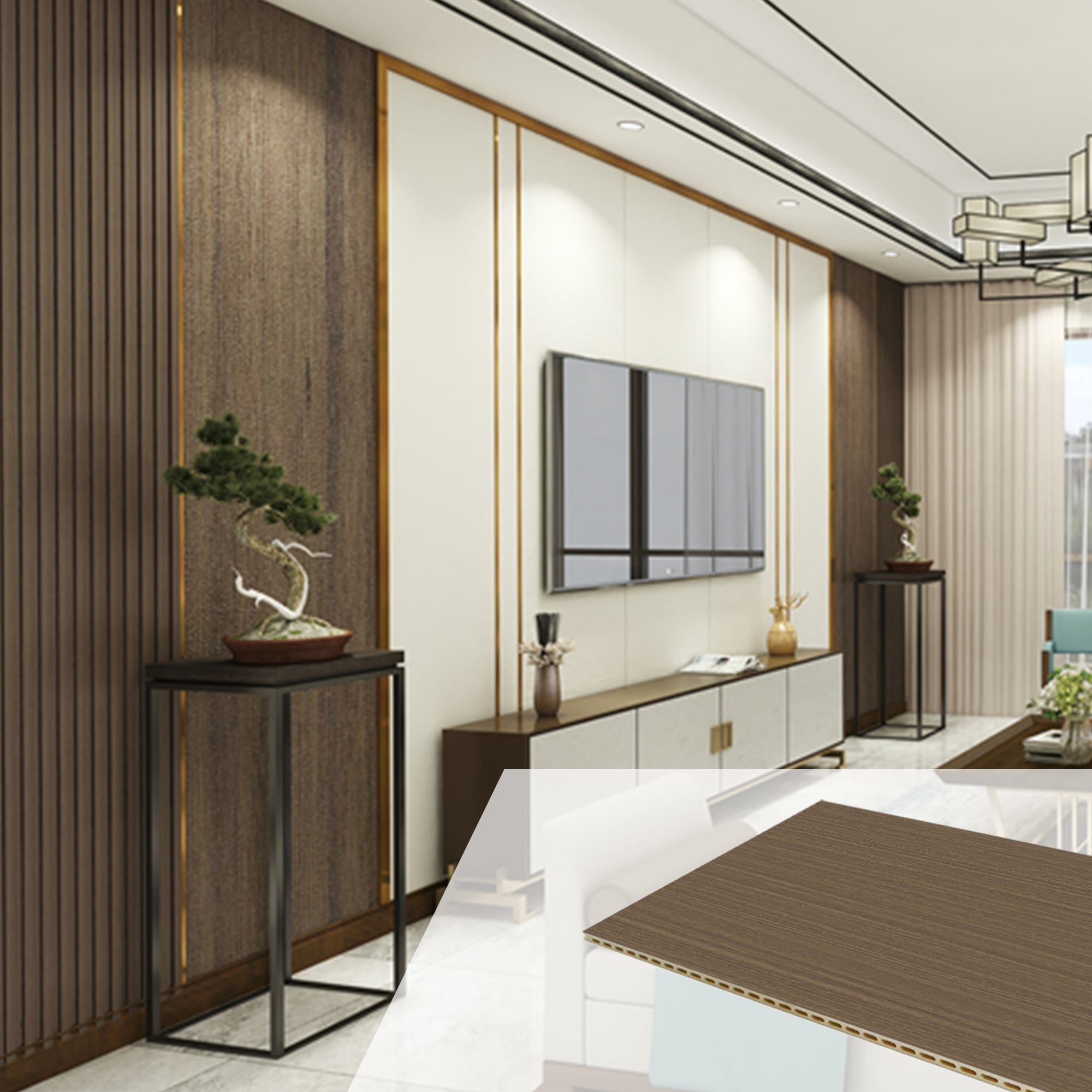
Modern construction and interior design industries have witnessed a significant shift toward versatile and cost-effective building materials. Among these innovative solutions, PVC ceiling tiles have emerged as a leading choice for both residential and commercial applications. The popularity of these synthetic polymer products stems from their unique combination of durability, aesthetic appeal, and practical functionality that traditional ceiling materials often cannot match.
The architectural landscape has evolved dramatically over the past few decades, with architects and designers seeking materials that offer superior performance while maintaining affordability. PVC ceiling tiles represent a perfect intersection of technological advancement and practical application, providing solutions that address multiple construction challenges simultaneously. Their widespread adoption across various sectors demonstrates the material's effectiveness in meeting diverse project requirements and environmental conditions.
Exceptional Durability and Longevity
Resistance to Environmental Factors
PVC ceiling tiles demonstrate remarkable resistance to moisture, humidity, and temperature fluctuations that commonly affect traditional ceiling materials. Unlike plaster or drywall alternatives, these synthetic tiles maintain their structural integrity even in challenging environments such as bathrooms, kitchens, and commercial spaces with high humidity levels. The inherent chemical composition of polyvinyl chloride creates a barrier against water penetration, preventing common issues like warping, sagging, or deterioration that plague conventional ceiling solutions.
The material's resistance to ultraviolet radiation ensures that PVC ceiling tiles retain their color and finish quality over extended periods, even in spaces with significant natural light exposure. This UV stability translates to reduced maintenance costs and longer replacement cycles, making them particularly attractive for large-scale commercial installations where frequent repairs would be disruptive and expensive.
Impact Resistance and Structural Strength
The molecular structure of PVC provides exceptional impact resistance, allowing ceiling tiles to withstand accidental damage from objects or equipment during installation and daily use. This durability factor becomes particularly important in high-traffic commercial environments, educational facilities, and healthcare institutions where ceiling integrity is crucial for safety and functionality.
Professional contractors appreciate how PVC ceiling tiles maintain dimensional stability under various load conditions, reducing the likelihood of cracking or breaking during handling and installation processes. This structural reliability contributes to lower labor costs and fewer material replacements throughout the building's lifecycle.
Cost-Effectiveness and Economic Benefits
Initial Investment Advantages
The manufacturing process of PVC ceiling tiles allows for cost-effective production methods that translate into competitive pricing for end consumers. Compared to premium materials like metal or wood ceiling systems, PVC options provide similar aesthetic appeal at a fraction of the cost, making quality ceiling solutions accessible to a broader range of projects and budgets.
Bulk purchasing opportunities for large commercial projects further enhance the economic benefits of PVC ceiling tiles, as manufacturers can offer significant volume discounts that reduce overall project expenses. This pricing structure makes PVC ceiling solutions particularly attractive for developers working within tight budget constraints while maintaining quality standards.
Long-Term Maintenance Savings
The low-maintenance characteristics of PVC ceiling tiles result in substantial cost savings over the building's operational lifetime. Unlike materials that require regular painting, sealing, or replacement, PVC surfaces maintain their appearance with minimal intervention, typically requiring only periodic cleaning with standard household or commercial cleaners.
Property managers and facility maintenance teams report significant reductions in ceiling-related repair expenses when using PVC ceiling tiles compared to traditional alternatives. The material's resistance to common ceiling problems such as staining, mold growth, and physical damage eliminates many routine maintenance tasks that consume both time and resources.
Installation Efficiency and Versatility
Simplified Installation Processes
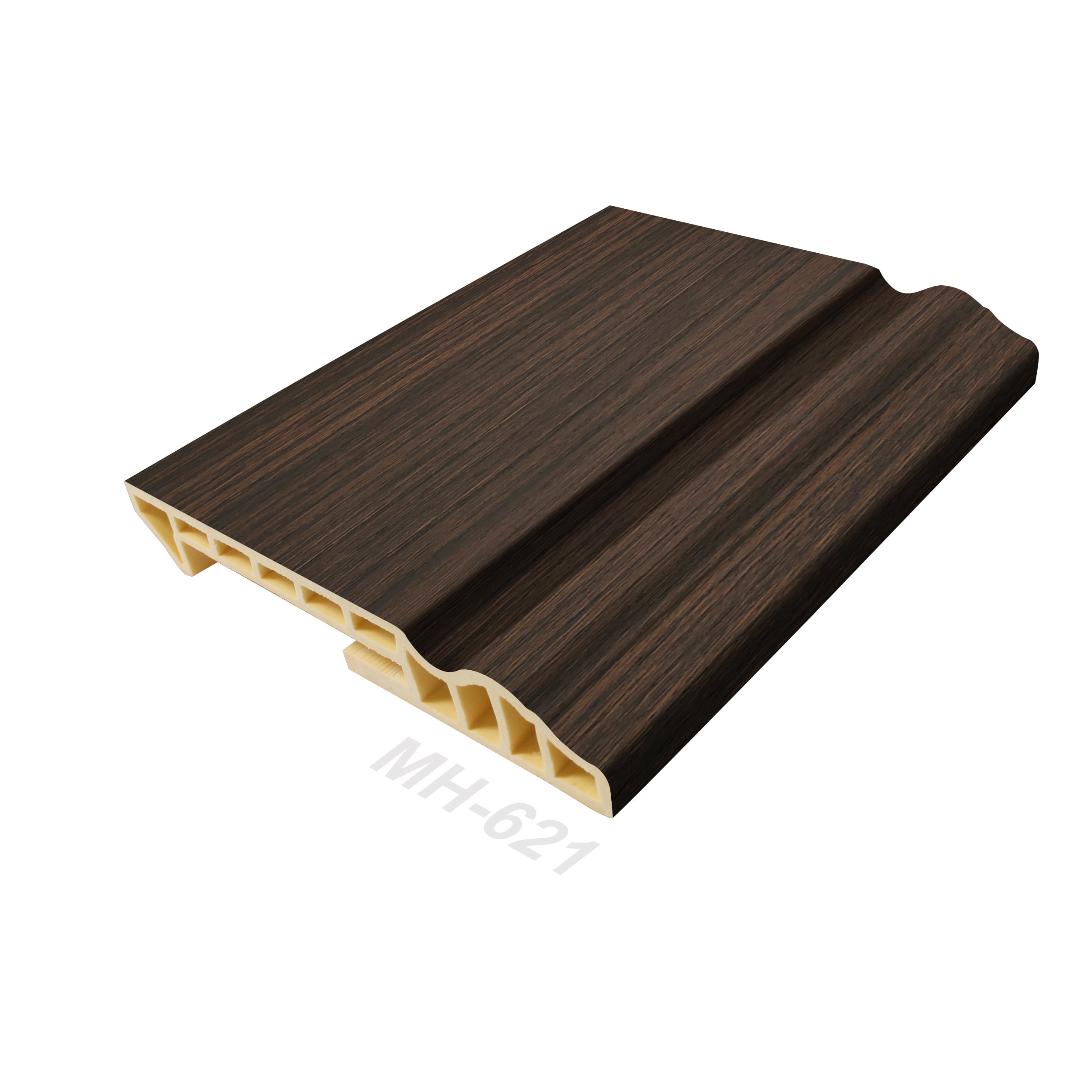
The lightweight nature of PVC ceiling tiles significantly reduces installation complexity and labor requirements compared to heavier alternatives like ceramic or stone ceiling treatments. Professional installers can complete projects more quickly, reducing labor costs and minimizing disruption to ongoing business operations or residential activities.
Standard cutting tools and basic construction techniques are sufficient for most PVC ceiling tile installations, eliminating the need for specialized equipment or extensive technical training. This accessibility allows contractors to take on projects with confidence, knowing that installation challenges are minimized and completion timelines are more predictable.
Design Flexibility and Customization
Modern manufacturing techniques enable PVC ceiling tiles to replicate various textures, patterns, and finishes that previously required expensive natural materials. From wood grain appearances to metallic finishes and abstract artistic designs, PVC ceiling tiles offer virtually unlimited aesthetic possibilities that can complement any interior design scheme.
The ability to customize colors, sizes, and surface treatments allows architects and designers to create unique ceiling installations that meet specific project requirements. This flexibility extends to retrofitting existing spaces where standard ceiling dimensions might not accommodate traditional materials, but PVC ceiling tiles can be easily modified to fit irregular or challenging layouts.
Environmental Impact and Sustainability
Recyclability and Waste Reduction
Contemporary PVC ceiling tiles incorporate recycled materials in their manufacturing process, contributing to circular economy principles and reducing environmental impact. Many manufacturers now offer take-back programs that ensure end-of-life PVC ceiling tiles are properly recycled rather than ending up in landfills.
The longevity of PVC ceiling tiles means fewer replacement cycles throughout a building's lifetime, reducing overall material consumption and waste generation. This extended service life aligns with sustainable construction practices that prioritize resource conservation and environmental responsibility.
Energy Efficiency Contributions
The insulating properties of PVC ceiling tiles can contribute to improved building energy efficiency by helping maintain consistent indoor temperatures. This thermal performance reduces heating and cooling system workloads, leading to lower energy consumption and reduced carbon footprints for buildings equipped with PVC ceiling systems.
Reflective surface options in PVC ceiling tiles can enhance natural light distribution within interior spaces, potentially reducing artificial lighting requirements during daylight hours. This improved light efficiency contributes to overall building sustainability while creating more comfortable and productive environments for occupants.
Performance in Specialized Applications
Healthcare and Cleanroom Environments
Healthcare facilities require ceiling materials that meet strict hygiene and cleanliness standards, making PVC ceiling tiles an ideal choice for hospitals, clinics, and medical laboratories. The non-porous surface of PVC prevents bacterial growth and allows for thorough sanitization using standard medical-grade cleaning protocols.
The chemical resistance of PVC ceiling tiles ensures compatibility with various disinfectants and cleaning agents commonly used in healthcare settings. This compatibility eliminates concerns about material degradation or surface damage that could compromise the sterile environment essential for medical procedures and patient safety.
Commercial Kitchen and Food Service
Restaurant kitchens, food processing facilities, and commercial cooking environments benefit from the grease and steam resistance offered by PVC ceiling tiles. Traditional ceiling materials often suffer from oil absorption and moisture damage in these challenging environments, but PVC surfaces maintain their integrity and appearance despite constant exposure to cooking vapors and cleaning chemicals.
Food safety regulations often require ceiling materials that can withstand frequent cleaning and sanitization cycles without deteriorating or harboring contaminants. PVC ceiling tiles meet these stringent requirements while providing the durability necessary for demanding commercial kitchen operations.
Aesthetic Appeal and Design Integration
Contemporary Design Trends
Modern interior design trends favor clean lines, minimalist aesthetics, and versatile materials that can adapt to changing style preferences. PVC ceiling tiles align perfectly with these contemporary design philosophies, offering sleek surfaces and consistent appearances that complement various architectural styles from industrial to residential contemporary.
The ability to achieve premium appearances at accessible price points makes PVC ceiling tiles particularly valuable for designers working on projects where visual impact must be balanced with budget considerations. High-quality printing and texturing technologies now allow PVC ceiling tiles to closely mimic expensive natural materials while maintaining the practical advantages of synthetic construction.
Color Stability and Visual Consistency
Unlike painted surfaces that may fade or discolor over time, PVC ceiling tiles maintain consistent coloration throughout their service life. This color stability ensures that ceiling installations continue to meet original design specifications years after completion, preserving the intended aesthetic impact of interior spaces.
The uniform manufacturing process used for PVC ceiling tiles produces consistent surface qualities and dimensions across large installations, eliminating the variations and imperfections that can occur with natural materials or hand-finished alternatives. This consistency is particularly important for commercial spaces where professional appearance standards must be maintained.
FAQ
How long do PVC ceiling tiles typically last in commercial environments
PVC ceiling tiles in commercial settings typically maintain their functionality and appearance for 15 to 20 years with proper installation and minimal maintenance. The exact lifespan depends on environmental factors such as humidity levels, temperature fluctuations, and cleaning frequency, but most commercial installations experience excellent performance throughout this extended period without requiring replacement or major repairs.
Can PVC ceiling tiles be installed over existing ceiling materials
Yes, PVC ceiling tiles can often be installed over existing ceiling materials, provided the existing surface is structurally sound and properly prepared. This retrofit capability makes PVC ceiling tiles an excellent choice for renovation projects where complete ceiling removal would be costly or disruptive, allowing for quick updates to aging commercial or residential spaces.
What maintenance is required to keep PVC ceiling tiles looking new
PVC ceiling tiles require minimal maintenance beyond periodic cleaning with mild soap solutions or standard commercial cleaners. Most installations benefit from monthly dusting or wiping to remove accumulated debris, while deeper cleaning may be performed quarterly or as needed depending on the environment. No special treatments, sealers, or protective coatings are required to maintain the material's performance and appearance.
Are PVC ceiling tiles suitable for areas with high moisture exposure
PVC ceiling tiles excel in high-moisture environments such as bathrooms, kitchens, and swimming pool areas due to their inherent water resistance and non-porous surface properties. Unlike traditional ceiling materials that may warp, stain, or develop mold in humid conditions, PVC ceiling tiles maintain their structural integrity and appearance even with continuous moisture exposure, making them ideal for challenging environmental applications.