
 EN
EN

The construction industry is experiencing a revolutionary shift toward sustainable building materials, with bamboo fiber hollow panels emerging as a leading eco-friendly solution. These innovative panels combine the natural strength of bamboo with modern engineering techniques to create lightweight, durable, and environmentally responsible building components. As architects, builders, and property developers increasingly prioritize sustainability without compromising performance, bamboo fiber hollow panels offer an ideal balance of ecological benefits and structural integrity. Understanding the selection criteria for these panels is crucial for successful implementation in contemporary construction projects.
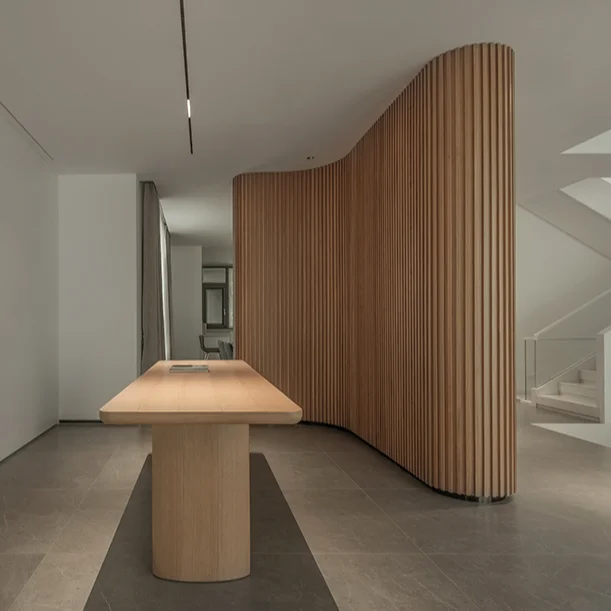
Understanding the Composition and Benefits of Bamboo Fiber Hollow Panels
Material Properties and Construction
Bamboo fiber hollow panels are manufactured through advanced processing techniques that transform raw bamboo into engineered fibers, which are then combined with eco-friendly binding agents to create hollow-core panel structures. The hollow design significantly reduces material weight while maintaining structural strength, making these panels ideal for various construction applications. The bamboo fibers provide exceptional tensile strength, often exceeding that of traditional wood materials, while the hollow core design creates natural insulation properties that enhance energy efficiency in buildings.
The manufacturing process involves carefully selected bamboo species that undergo controlled growth harvesting to ensure optimal fiber quality. The bamboo undergoes a specialized treatment process that removes natural sugars and starches, preventing pest attraction and enhancing durability. This treatment also improves the panels' resistance to moisture, mold, and bacterial growth, making them suitable for diverse environmental conditions and applications.
Environmental Advantages and Sustainability Features
One of the most compelling reasons to choose bamboo fiber hollow panels is their exceptional environmental profile. Bamboo is one of the fastest-growing plants on Earth, reaching maturity in just three to five years compared to decades for traditional hardwood trees. This rapid growth rate allows for sustainable harvesting without depleting natural forests or contributing to deforestation. The carbon sequestration capabilities of bamboo during its growth phase actually make these panels carbon-negative in many cases.
The production process of bamboo fiber hollow panels generates minimal waste, as virtually all parts of the bamboo plant can be utilized in manufacturing. Additionally, the panels themselves are fully recyclable at the end of their service life, contributing to a circular economy model in construction. The reduced transportation weight due to the hollow core design also minimizes the carbon footprint associated with shipping and handling these materials.
Key Selection Criteria for Optimal Performance
Structural Requirements and Load-Bearing Capacity
When selecting bamboo fiber hollow panels, understanding the structural requirements of your specific application is paramount. These panels come in various thicknesses and core configurations, each designed to handle different load-bearing requirements. For non-structural applications such as interior partitions and decorative elements, thinner panels with smaller hollow cores may suffice, while structural applications require thicker panels with engineered core designs that can handle specific load requirements.
The load-bearing capacity of bamboo fiber hollow panels is determined by factors including panel thickness, core geometry, fiber density, and binding agent quality. Professional engineers should evaluate these specifications against the intended application requirements, considering both static and dynamic loads. It's essential to obtain certified testing data from manufacturers that demonstrate compliance with relevant building codes and structural standards for your region.
Environmental Resistance and Durability Factors
Environmental resistance is a critical factor when selecting bamboo fiber hollow panels for specific climatic conditions and exposure scenarios. These panels exhibit natural resistance to insects and pests due to the bamboo processing techniques, but additional treatments may be necessary for extreme environments. Moisture resistance varies among different panel types, with some specifically engineered for high-humidity environments or exterior applications.
Temperature stability is another crucial consideration, as bamboo fiber hollow panels perform well across a wide temperature range but may require specific grades for extreme conditions. UV resistance becomes important for applications with direct sunlight exposure, although most interior applications don't require enhanced UV protection. Fire resistance ratings should be verified to ensure compliance with local building codes, as bamboo naturally has good fire-resistant properties that can be enhanced through additional treatments.
Installation Considerations and Best Practices
Proper Handling and Storage Requirements
Successful installation of bamboo fiber hollow panels begins with proper handling and storage practices. These panels should be stored in dry, well-ventilated areas away from direct moisture exposure. While bamboo fiber hollow panels are more stable than solid wood panels, they can still experience dimensional changes with extreme humidity fluctuations. Proper acclimatization at the installation site for 24-48 hours before installation helps minimize post-installation movement.
During handling, care should be taken to support the panels adequately to prevent sagging or damage to the hollow core structure. The lightweight nature of these panels makes them easier to handle than traditional materials, but their hollow structure requires appropriate support during transportation and positioning. Professional installers should be familiar with the specific characteristics of bamboo fiber hollow panels to ensure proper installation techniques.
Fastening Systems and Connection Methods
The hollow core structure of these panels requires specialized fastening considerations to ensure secure and lasting connections. Traditional screws and fasteners can be used, but they must be appropriately sized to engage sufficient material for secure holding power. Some applications may benefit from specialized hollow-core fasteners that distribute loads more effectively across the panel structure.
Connection systems should account for the thermal expansion and contraction characteristics of bamboo fiber materials. Proper spacing and allowances must be incorporated into the installation design to accommodate natural movement without compromising structural integrity. Edge sealing and joint treatment may be necessary in certain applications to prevent moisture infiltration and maintain the panels' performance characteristics over time.
Applications and Performance in Different Building Types
Residential Construction Applications
In residential construction, bamboo fiber hollow panels offer versatile solutions for both structural and non-structural applications. Interior wall systems benefit from the panels' excellent acoustic properties, natural insulation characteristics, and attractive appearance that can be left exposed or finished with various surface treatments. The lightweight nature of these panels reduces structural loads on foundations and framing systems while providing excellent dimensional stability.
Kitchen and bathroom applications showcase the moisture resistance capabilities of properly treated bamboo fiber hollow panels. These environments benefit from the panels' natural antimicrobial properties and resistance to humidity-related problems such as warping or degradation. The thermal insulation properties help maintain comfortable indoor temperatures while reducing energy consumption for heating and cooling systems.
Commercial and Industrial Building Integration
Commercial buildings present unique opportunities for bamboo fiber hollow panel applications, particularly in office environments where sustainability credentials are increasingly important to occupants and stakeholders. These panels can contribute to green building certifications such as LEED or BREEAM, providing measurable environmental benefits that support corporate sustainability goals. The acoustic properties make them ideal for open office environments where sound control is essential for productivity.
Industrial applications often focus on the chemical resistance and durability aspects of bamboo fiber hollow panels. Manufacturing facilities and warehouses benefit from the panels' resistance to common industrial chemicals and their ability to maintain structural integrity in challenging environments. The natural fire resistance of bamboo provides additional safety benefits in industrial settings where fire prevention is crucial.
Cost Considerations and Long-Term Value Analysis
Initial Investment Versus Lifecycle Benefits
While bamboo fiber hollow panels may have higher initial costs compared to some traditional materials, their lifecycle value proposition often proves favorable when all factors are considered. The durability and low maintenance requirements of these panels reduce long-term ownership costs, while their energy efficiency contributions can provide ongoing operational savings. The lightweight nature also reduces structural requirements in some applications, potentially offsetting initial material costs.
The sustainability benefits of bamboo fiber hollow panels can provide intangible value through improved corporate image, potential tax incentives, and increased property values in markets that value environmental responsibility. These factors should be incorporated into total cost of ownership calculations to provide a complete financial picture of the investment decision.
Maintenance Requirements and Longevity Expectations
Bamboo fiber hollow panels require minimal maintenance compared to many traditional building materials. Regular cleaning with appropriate methods maintains their appearance and performance, while periodic inspection ensures any issues are identified and addressed promptly. The natural resistance to pests and moisture-related problems reduces the need for costly treatments or replacements that are common with traditional wood products.
Expected service life for quality bamboo fiber hollow panels often exceeds 25-30 years with proper installation and maintenance. This longevity, combined with their recyclability at end of life, provides excellent value proposition for building owners focused on long-term cost management and environmental responsibility. The stability of bamboo fiber materials means that maintenance schedules can be planned and predictable, helping facility managers budget effectively for building upkeep.
FAQ
What are the main structural limitations of bamboo fiber hollow panels
Bamboo fiber hollow panels have specific load-bearing limitations that depend on their thickness, core design, and manufacturing quality. While they offer excellent strength-to-weight ratios, they may not be suitable for primary structural applications without proper engineering analysis. The hollow core design provides good strength for many applications but requires careful consideration of point loads and fastening methods. Professional structural analysis is recommended for any application where building codes require engineered lumber or where significant loads are involved.
How do bamboo fiber hollow panels compare to traditional wood panels in terms of cost
Initial costs for bamboo fiber hollow panels are typically higher than conventional wood panels, but this difference is often offset by their superior performance characteristics and longevity. The lightweight nature can reduce shipping costs and installation labor, while the reduced maintenance requirements and extended service life provide long-term cost savings. When considering total cost of ownership including energy savings from improved insulation properties, bamboo fiber hollow panels often prove more economical over their service life.
Are bamboo fiber hollow panels suitable for exterior building applications
Bamboo fiber hollow panels can be used in exterior applications when properly treated and installed, though specific grades designed for exterior exposure should be selected. UV resistance treatments and appropriate surface finishes are essential for direct sunlight exposure, while proper moisture barriers and installation techniques prevent water infiltration. Some manufacturers offer panels specifically engineered for exterior use with enhanced weather resistance properties, making them suitable for siding, soffits, and other exterior building components.
What certifications should I look for when purchasing bamboo fiber hollow panels
Quality bamboo fiber hollow panels should carry certifications from recognized testing organizations that verify their structural, fire, and environmental performance characteristics. Look for certifications such as FSC or similar sustainable forestry certifications, building code compliance certifications from agencies like ICC-ES or similar regional bodies, and third-party testing reports for fire resistance, structural capacity, and environmental impact. Additionally, ISO certifications from the manufacturer demonstrate quality management systems and consistent production standards that ensure reliable product performance.
Table of Contents
- Understanding the Composition and Benefits of Bamboo Fiber Hollow Panels
- Key Selection Criteria for Optimal Performance
- Installation Considerations and Best Practices
- Applications and Performance in Different Building Types
- Cost Considerations and Long-Term Value Analysis
-
FAQ
- What are the main structural limitations of bamboo fiber hollow panels
- How do bamboo fiber hollow panels compare to traditional wood panels in terms of cost
- Are bamboo fiber hollow panels suitable for exterior building applications
- What certifications should I look for when purchasing bamboo fiber hollow panels