
 EN
EN

Bamboo solid panels have emerged as a revolutionary building material that combines sustainability with exceptional performance characteristics. These innovative panels represent a significant advancement in eco-friendly construction materials, offering architects and builders a viable alternative to traditional wood and synthetic options. The growing concern about moisture resistance and mold prevention in building materials has positioned bamboo solid panels at the forefront of modern construction solutions. Understanding their moisture resistance capabilities is crucial for professionals considering their implementation in various projects, particularly in environments where humidity control is paramount.
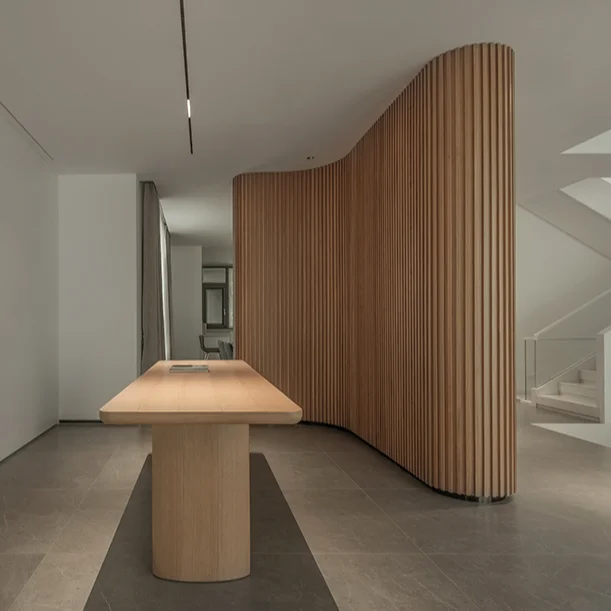
The construction industry has witnessed a paradigm shift toward sustainable materials that do not compromise on durability or performance. Bamboo, as a rapidly renewable resource, offers unique structural properties that make it an ideal candidate for panel manufacturing. The inherent characteristics of bamboo fibers, combined with advanced manufacturing processes, create panels that exhibit remarkable resistance to environmental challenges including moisture exposure and biological degradation.
Natural Properties of Bamboo Materials
Cellular Structure and Density
The microscopic structure of bamboo contributes significantly to its moisture resistance capabilities. Bamboo fibers contain natural lignin and cellulose arranged in a unique matrix that provides inherent protection against water penetration. The density of properly processed bamboo solid panels typically ranges from 600 to 800 kilograms per cubic meter, creating a compact barrier that effectively resists moisture infiltration. This cellular composition distinguishes bamboo from conventional wood materials, which often exhibit more porous characteristics that can facilitate water absorption.
The manufacturing process of bamboo solid panels involves careful selection and preparation of bamboo fibers to optimize their natural protective properties. Advanced compression techniques ensure that the final product maintains the beneficial characteristics of raw bamboo while enhancing its structural integrity. The resulting panels demonstrate superior dimensional stability compared to traditional wood products, maintaining their shape and performance even under varying humidity conditions.
Chemical Composition Benefits
Bamboo contains natural compounds that provide inherent antimicrobial properties, contributing to its resistance against mold and bacterial growth. Silica content in bamboo fibers creates an additional protective barrier that inhibits biological degradation. These chemical characteristics work synergistically to create a material that naturally resists the conditions that typically promote mold development in building materials.
The presence of natural preservatives in bamboo eliminates the need for chemical treatment processes that are commonly required for wood materials. This characteristic makes bamboo solid panels an environmentally superior choice while maintaining excellent performance in moisture-prone environments. The natural antimicrobial properties remain active throughout the lifespan of the panels, providing continuous protection against biological threats.
Manufacturing Processes and Moisture Resistance
Advanced Production Techniques
Modern manufacturing processes for bamboo solid panels incorporate sophisticated techniques that enhance their inherent moisture resistance properties. High-pressure compression and controlled thermal treatment create a homogeneous material that exhibits consistent performance characteristics throughout its structure. These processes eliminate potential weak points that could serve as entry points for moisture infiltration.
The lamination process used in creating bamboo solid panels involves precise application of eco-friendly adhesives that maintain the material's environmental benefits while providing additional moisture protection. Quality manufacturers employ formaldehyde-free binding agents that cure to create water-resistant bonds between bamboo layers. This careful attention to adhesive selection ensures that the final product maintains its integrity even under prolonged moisture exposure.
Quality Control Standards
Rigorous testing protocols ensure that bamboo solid panels meet or exceed industry standards for moisture resistance and mold prevention. Laboratory testing typically includes exposure to high humidity conditions, water immersion tests, and accelerated aging procedures that simulate real-world environmental challenges. These comprehensive evaluations validate the long-term performance capabilities of bamboo panels in various applications.
Certification processes for high-quality bamboo solid panels often include third-party verification of moisture resistance claims. Independent testing laboratories evaluate parameters such as water absorption rates, dimensional stability under moisture stress, and resistance to fungal growth. These certifications provide architects and builders with confidence in the material's performance capabilities for specific project requirements.
Comparative Analysis with Traditional Materials
Performance Against Wood Products
When compared to traditional hardwood panels, bamboo solid panels demonstrate superior moisture resistance characteristics. While hardwood materials typically require chemical treatments to achieve acceptable moisture protection, bamboo panels exhibit natural resistance properties that eliminate the need for additional protective measures. This inherent advantage translates to reduced maintenance requirements and extended service life in moisture-prone environments.
The dimensional stability of bamboo solid panels under varying humidity conditions surpasses that of many traditional wood products. Laboratory testing consistently shows minimal expansion and contraction in bamboo panels when exposed to moisture fluctuations that would cause significant movement in conventional wood materials. This stability is particularly important in applications where consistent dimensions are critical for proper installation and long-term performance.
Advantages Over Synthetic Alternatives
Synthetic panel materials often achieve moisture resistance through the use of chemical additives or surface treatments that may compromise their environmental profile. Bamboo solid panels provide comparable or superior moisture protection while maintaining their sustainable characteristics throughout their lifecycle. The natural resistance properties of bamboo eliminate the need for chemical interventions that could potentially affect indoor air quality or environmental impact.
The breathability of bamboo solid panels represents another advantage over synthetic alternatives. While maintaining moisture resistance, bamboo panels allow for controlled vapor transmission that helps regulate humidity levels in enclosed spaces. This characteristic contributes to healthier indoor environments while preventing the buildup of moisture that could lead to condensation and associated problems.
Installation Considerations for Optimal Performance
Proper Substrate Preparation
Achieving optimal moisture resistance performance from bamboo solid panels requires attention to proper installation techniques. Substrate preparation plays a crucial role in ensuring long-term performance, particularly in areas where moisture exposure is anticipated. Proper vapor barriers and adequate ventilation systems must be incorporated into the installation design to maximize the benefits of bamboo panel moisture resistance.
Surface preparation should include verification that the substrate moisture content is within acceptable limits before panel installation. Even the most moisture-resistant panels can experience performance issues if installed over substrates with excessive moisture content. Professional installation teams understand the importance of moisture testing and environmental conditioning prior to bamboo panel installation.
Sealing and Finishing Requirements
While bamboo solid panels exhibit excellent natural moisture resistance, proper sealing of joints and edges enhances their protective capabilities. High-quality sealants designed for use with bamboo materials ensure that potential entry points for moisture are properly protected. The selection of compatible finishing materials is essential for maintaining the integrity of the moisture barrier throughout the installation.
Edge sealing techniques for bamboo solid panels require specific attention to maintain the continuity of moisture protection. Professional installers employ specialized sealants that remain flexible while providing durable protection against moisture infiltration. These techniques ensure that the natural moisture resistance properties of bamboo panels are complemented by proper installation practices.
Long-term Maintenance and Performance
Preventive Care Protocols
The maintenance requirements for bamboo solid panels are significantly reduced compared to traditional materials due to their inherent moisture resistance properties. Regular inspection protocols focus on identifying potential issues before they compromise the panel performance. Simple cleaning procedures using appropriate products help maintain the natural protective properties of bamboo without introducing chemicals that could affect moisture resistance.
Environmental monitoring in spaces where bamboo solid panels are installed helps ensure optimal performance conditions. Maintaining appropriate humidity levels and ensuring adequate ventilation supports the natural moisture resistance properties of bamboo while preventing the accumulation of conditions that could challenge any building material. These preventive measures maximize the lifespan and performance of bamboo panel installations.
Repair and Restoration Options
When maintenance or repair is required, bamboo solid panels offer advantages in terms of accessibility and restoration options. Local repairs can often be accomplished without compromising the moisture resistance of surrounding areas. The modular nature of panel installations allows for selective replacement of damaged sections while maintaining the integrity of the overall moisture protection system.
Refinishing procedures for bamboo solid panels can restore both aesthetic appeal and protective capabilities. Specialized refinishing products designed for bamboo materials help maintain or enhance moisture resistance while addressing wear or environmental exposure effects. Professional restoration services understand the unique characteristics of bamboo and employ techniques that preserve its natural protective properties.
FAQ
How do bamboo solid panels compare to traditional wood in moisture resistance
Bamboo solid panels significantly outperform traditional wood materials in moisture resistance due to their natural cellular structure and chemical composition. The inherent silica content and antimicrobial properties provide superior protection against moisture infiltration and biological degradation. Unlike wood products that often require chemical treatments, bamboo panels achieve excellent moisture resistance naturally, making them ideal for humid environments and applications where moisture exposure is a concern.
What specific manufacturing processes enhance the moisture resistance of bamboo panels
Advanced manufacturing techniques including high-pressure compression, controlled thermal treatment, and the use of eco-friendly adhesives significantly enhance the moisture resistance properties of bamboo solid panels. These processes create a homogeneous material with consistent protective characteristics throughout its structure. Quality control measures ensure that each panel meets strict standards for water resistance and dimensional stability under varying humidity conditions.
Can bamboo solid panels prevent mold growth in high-humidity environments
Yes, bamboo solid panels possess natural antimicrobial properties that effectively inhibit mold and bacterial growth even in high-humidity conditions. The chemical composition of bamboo includes compounds that create an environment hostile to biological degradation. Combined with their excellent moisture resistance, these properties make bamboo panels an excellent choice for applications in bathrooms, kitchens, and other areas where humidity control is challenging.
What installation considerations are important for maximizing moisture resistance performance
Proper installation of bamboo solid panels requires attention to substrate preparation, moisture content verification, and appropriate sealing techniques. The use of vapor barriers and adequate ventilation systems supports the natural moisture resistance properties of bamboo panels. Professional installation includes proper edge sealing and the selection of compatible finishing materials to ensure comprehensive moisture protection throughout the installation lifecycle.
Table of Contents
- Natural Properties of Bamboo Materials
- Manufacturing Processes and Moisture Resistance
- Comparative Analysis with Traditional Materials
- Installation Considerations for Optimal Performance
- Long-term Maintenance and Performance
-
FAQ
- How do bamboo solid panels compare to traditional wood in moisture resistance
- What specific manufacturing processes enhance the moisture resistance of bamboo panels
- Can bamboo solid panels prevent mold growth in high-humidity environments
- What installation considerations are important for maximizing moisture resistance performance