
 EN
EN
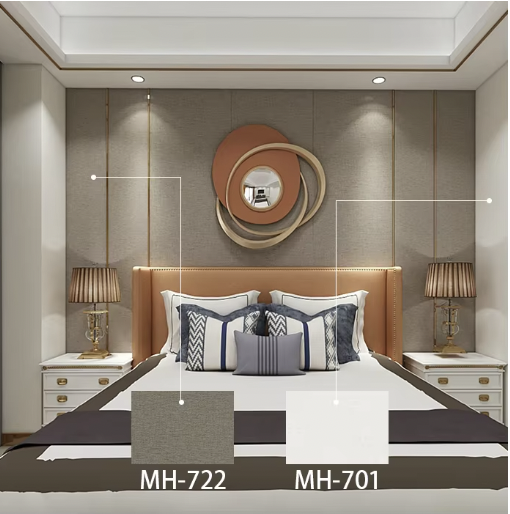
Comparing PVC, SPC, and Fiberglass Panels
When deciding between PVC, SPC, and fiberglass panels for interior flat wall applications, each material offers distinct benefits. PVC panels stand out for their lightweight nature, water resistance, and cost-effectiveness, making them a favorite among homeowners looking for budget-friendly options. Conversely, SPC (Stone Plastic Composite) panels provide enhanced durability, thanks to their robust stone-plastic composite core, which minimizes risks of warping or damage, especially in humid conditions. Fiberglass panels are also noteworthy for their structural integrity and high resistance to moisture and chemicals, making them suitable for industrial applications where these factors are critical.
When selecting the right panel, it's important to consider aspects like ease of installation, maintenance requirements, and visual appeal. While PVC panels may offer an initial cost advantage, they typically have a shorter lifespan compared to SPC and fiberglass options, suggesting a trade-off between upfront savings and long-term investment. Choosing the right material ultimately depends on balancing these factors to meet specific project needs.
Benefits of Waterproof PVC Wall Panels for Bathrooms
Waterproof PVC wall panels are gaining popularity in bathroom applications due to their moisture-resistant properties. Designed specifically for high-humidity environments, these panels effectively prevent mold growth, a common concern in wet areas. Moreover, they are easy to clean, significantly enhancing hygiene within the space. One of the standout features of waterproof PVC panels is their straightforward installation process, often allowing them to be fitted directly over existing surfaces, thereby reducing preparation time and costs.
Industry studies reveal that bathrooms equipped with waterproof PVC paneling experience up to a 30% reduction in mold and mildew occurrences compared to those using traditional drywall. This statistic underscores their effectiveness in promoting a healthier, more sustainable bathroom environment, making them a preferred choice for many homeowners seeking both functionality and protection.
Eco-Friendly Material Considerations
With an increasing emphasis on sustainability, many manufacturers now prioritize eco-friendly materials in the production of wall panels. These panels often incorporate recycled components, reducing environmental impact. When evaluating eco-friendly options, it's essential to check for certifications like LEED or Greenguard, which assure consumers of the product's sustainable attributes. Understanding the lifecycle of the material, including its production, recyclability, and carbon footprint, is also crucial.
Research indicates that using sustainable materials not only reduces environmental impact but also contributes significantly to energy savings and overall building performance. As consumers become more environmentally conscious, choosing eco-friendly wall panels can align with broader sustainability goals, offering both ecological and economic advantages.
Waterproof PVC Wall Panels for Bathroom Applications
Waterproof PVC wall panels are explicitly crafted for high-moisture environments such as bathrooms and showers. These panels feature a non-porous surface that effectively blocks water penetration, thus preventing water damage and simplifying maintenance. Surveys reveal that consumers often express higher satisfaction levels with PVC panels in moisture-prone areas when compared to traditional drywall and other alternatives. These versatile panels not only offer functionality but also come in various styles, ensuring they meet both aesthetic and practical needs. By integrating them into bathroom designs, homeowners can enjoy both improved protection and appealing decor.
Mold and Mildew Resistance Features
Modern PVC panels are manufactured with built-in mold and mildew resistance features, making them an astute choice for humidity-prone areas. Research indicates that specific advanced coatings provide additional defense against microbial growth, further safeguarding interiors. Regular cleaning and maintenance can enhance these features, extending the panels' lifespan and preserving their appearance. Performance tests have demonstrated that waterproof panels withstand humidity levels of 90% or more without significant degradation. This makes them an excellent option for spaces like bathrooms or basements, where mold and mildew might typically pose a threat.
Basement-Friendly PVC Panel Options
PVC wall panels are also ideal for basement applications, as they resist moisture and thermal variations effectively. Opting for panels with insulation properties can boost energy efficiency and comfort in a basement setting, creating a more livable space. These materials substantially reduce the risk of dampness, which frequently affects basements built with traditional wall materials. A comparative study showed that homes using PVC panels reported a 25% lower incidence of water damage complaints than those using drywall. This reinforces the value of waterproof paneling for homeowners seeking long-term, worry-free solutions.
Decorative Sound-Absorbing Wall Panel Technologies
Decorative sound-absorbing wall panels are crafted to effectively minimize sound transmission and reverberation within spaces. These panels utilize advanced technologies like acoustic foam and fabric-wrapped designs to enhance sound control, offering significant acoustic improvements in residential and commercial settings. Studies suggest that when properly installed, sound-absorbing wall panels can reduce echo and background noise by up to 50%, notably benefiting office environments and open floor plans. Planning their strategic placement is critical to maximizing these panels' sound absorption efficiency throughout a room.
Acoustic Performance Metrics
Acoustic performance metrics such as Noise Reduction Coefficient (NRC) and Sound Transmission Class (STC) are essential for evaluating how well materials absorb sound. Panels with higher NRC values are particularly effective in sound-sensitive areas like theaters or music studios. It's crucial to assess the sound absorption attributes of different materials when choosing panels for specific applications. Research highlights that thicker panels generally offer superior sound absorption, contributing to optimal acoustics in carefully designed spaces.
Integration with Room Design
Integrating sound-absorbing wall panels into a room's design enhances aesthetics while addressing acoustic needs. These panels can be matched with the existing interior design theme through color, texture, and style selections. Incorporating panels in walls, ceilings, or as freestanding partitions allows their decorative and acoustic benefits to be optimized creatively. Professional designers often emphasize the importance of balancing functionality with style to achieve the best auditory and visual impact in a room.
Preparing Walls for Panel Installation
Preparing your walls before installing panels is crucial to ensure a smooth and successful setup process. Firstly, it is essential to clean the wall surfaces thoroughly, removing any dust, dirt, or adhesive residues. This ensures a strong bond when adhesives or fasteners are applied. Secondly, existing wallpaper or paint should be stripped away completely to avoid complications during installation. For moisture-prone areas like basements or bathrooms, using a moisture meter can be invaluable to check humidity levels. By confirming your walls are level, dry, and clean, you can prevent installation issues and significantly enhance the longevity of your waterproof PVC wall panels for bathrooms or any other type of panels.
Adhesive vs. Mechanical Fastening Methods
Choosing between adhesive and mechanical fastening methods is a decision that can impact both the installation process and the performance of your panels. Adhesive methods offer a cleaner look with invisible seams, which is excellent for aesthetic projects. However, mechanical fasteners might provide additional security in high-traffic areas or for panels requiring extra stability. When dealing with heavier panels, professionals often recommend combining both methods to ensure durability and strength. Before deciding, evaluate the specific requirements of your chosen panel material, whether it's decorative sound-absorbing wall panels or diamond plate sheets for walls, to find the most suitable installation method.
Common Installation Mistakes to Avoid
Successfully installing wall panels involves avoiding common pitfalls that many DIY enthusiasts face. One major mistake is improper wall preparation, which can lead to issues in adhesion and final panel alignment. Using insufficient adhesive is another error that might lead to panels falling off or misalignment. Additionally, failing to account for expansion and contraction can result in gaps or buckling over time, impacting both the aesthetics and functionality of the panels. It’s crucial to follow adequate spacing guidelines and consult installation guides specific to your panel type, whether it's for exterior wall panels 4x8 or PVC wall panels for basements. By referencing these guides, you can mitigate many common DIY installation challenges.
Matte vs. Glossy Finish Comparisons
Choosing between matte and glossy finishes is a pivotal decision that sculptors the visual appeal of any space. Matte finishes deliver a subtle, elegant look that mitigates visual noise, making them perfect for spaces seeking a sophisticated tone. On the other side, glossy finishes amplify brightness, offering easier maintenance but revealing fingerprints more readily. It's crucial to align the finish choice with the intended use and ambiance of the space. Consumer preference surveys indicate a rising trend towards matte finishes in contemporary design, highlighting their understated charm in delivering a refined aesthetic.
Customizable Textures (e.g., Diamond Plate Sheets)
Customizable textures in wall panels provide a highly personalized aesthetic, allowing the creation of environments tailored to individual themes and preferences. Incorporating distinctive patterns such as diamond plate sheets not only adds an industrial chic to spaces but also enhances visual interest. Additionally, textured panels play a pivotal role in sound absorption, making them both functional and decorative. Design experts emphasize the transformative effect texture variety has on spatial perception, engaging viewers and enhancing the cohesive design narrative of a space.
Matching Panels to Existing Interior Styles
To successfully match panel designs to existing interior styles, one needs to expertly navigate through color schemes, material contrasts, and aesthetic goals. Panels serve as an artistic medium that harmonizes with classic, modern, or eclectic styles to maintain design integrity. Consulting with design professionals can provide invaluable insights into material compatibility and help in achieving a seamless integration with the existing decor. Studies underscore that cohesive design elements significantly elevate property value, creating inviting atmospheres that resonate with inhabitants and guests alike.
Scratch and Impact Resistance Testing
When evaluating the durability of wall panels for high-traffic areas, testing for scratch and impact resistance is crucial. These tests ensure that the panels can endure the wear and tear typically found in such environments. For instance, materials like PVC and fiberglass often showcase superior impact resistance compared to the more traditional drywall options. This superiority is evident when industry benchmarks are used to assess material performance, with some manufacturers even offering detailed testing reports. Evidence from these tests shows that high-density panels can significantly decrease maintenance costs over time, making them an excellent choice for busy spaces.
Longevity of Exterior-Grade Panels (4x8 Sizes)
Exterior-grade panels, especially those in 4x8 sizes, are designed to offer lasting durability and weather resistance, making them suitable for both demanding outdoor and indoor settings. Their versatility allows them to be applied in various environments while maintaining their integrity over time. When comparing warranties and lifespan claims from different manufacturers, it's clear that exterior-grade panels can last up to three times longer than interior-grade options under heavy usage. This longevity is crucial for infrastructures that demand robust materials capable of withstanding environmental stresses.
Warranty and Lifespan Expectations
Understanding the warranties offered for wall panels can provide insight into their durability and replacement needs. These warranties typically range from 5 to 30 years, reflecting the manufacturer's confidence in their product's longevity. It's important to be aware of specific conditions that might void these warranties to ensure that panels are cared for and installed correctly. Notably, studies indicate that panels with comprehensive warranty coverage often correlate with higher consumer satisfaction rates. By paying attention to these guarantees, one can make informed decisions that align with both financial and long-term maintenance considerations.
Cleaning Techniques for Different Finishes
Adopting the right cleaning techniques is essential for preserving the longevity and appearance of wall panels. The cleaning approach varies significantly with the finish of the panel. For instance, matte finishes require the use of mild soaps and soft cloths to prevent any scratching, while glossy finishes can withstand more abrasive tools. Establishing a cleaning routine tailored to the material's recommendations can greatly enhance panel longevity. Studies indicate that proper cleaning not only extends the life of panels but also reduces replacement needs, as many homeowners have reported.
Repairing Damaged Panels
Repairing damaged wall panels can prolong their lifespan and maintain their aesthetic. The repair method depends on the type of damage, such as cracks, dents, or water damage. Patch kits and specific repair materials are often employed to restore panels to their original state without needing full replacements. It is crucial to document damages and address them promptly, as this can prevent further deterioration. Repair success rates largely depend on the material; for example, PVC panels, known for their versatility and ease of maintenance, offer simpler repair options compared to heavier alternatives.
Preventing Discoloration Over Time
To prevent discoloration of wall panels, several strategies can be utilized. Avoiding direct sunlight exposure, using window treatments, and selecting UV-resistant finishes are effective measures. Routine maintenance checks following installation are vital for spotting early signs of fading or discoloration. Additionally, choosing panels with protective coatings is beneficial to counteract discoloration effects over time. Surveys link proactive maintenance with longer-lasting aesthetic appeal, highlighting the importance of regular upkeep in preserving panel vibrancy.
Health and Environmental Certifications
Low-VOC panels are essential for keeping indoor environments healthy. They're particularly important in spaces like homes and offices where air quality impacts well-being. When selecting panels, it’s critical to inspect certifications that guarantee low chemical emissions. Regulatory bodies such as the Environmental Protection Agency (EPA) provide standards for VOC levels, ensuring products meet health and safety guidelines. Reports underscore the rising consumer demand for low-VOC products, reflecting a broader shift toward healthier living environments.
Sustainable Material Sourcing
Sustainable material sourcing plays a vital role in eco-conscious construction practices. Panels made from materials sourced from sustainable forests or utilizing recycled content exemplify responsible manufacturing. It’s important to choose companies that prioritize sustainable sourcing and manufacturing processes. Research indicates that using these materials minimizes environmental degradation and enhances biodiversity. Identifying brands that focus on sustainable practices allows consumers to align their choices with environmental values, whether personal or corporate.
Recyclability and Disposal Guidelines
Understanding the recyclability of wall panels is key to managing their disposal responsibly. Proper disposal practices can significantly reduce landfill waste, contributing positively to the construction industry’s environmental footprint. Consulting manufacturers for their recycling and disposal guidelines ensures effective end-of-life management. Studies highlight the importance of initiatives led by manufacturers, which facilitate recycling processes for consumers and bolster environmental responsibility.
Standard vs. Custom Sizing (e.g., 4x8 Panels)
Choosing between standard and custom sizes for wall panels can significantly influence both design flexibility and cost-effectiveness. Standard sizes, such as 4x8 panels, offer the convenience of easy installation and predictable pricing. However, they might not always fit the unique dimensions of your space perfectly. On the other hand, opting for custom panels allows for better adherence to specific dimensional constraints, making them ideal for specialized applications. In fact, data suggests that utilizing custom panels can enhance the overall aesthetic and functional utility of a space, promoting a greater sense of design satisfaction. I always consider the specific needs of my space and project goals when deciding between these two options.
Balancing Thickness with Weight and Durability
Panel thickness is a critical factor that influences installation stability and handling during assembly. Thicker panels generally provide greater durability and improved sound insulation, essential for spaces like bathrooms or basements that require robust solutions. However, increased thickness adds weight, which can complicate installation methods. Hence, it is crucial to strike a balance by considering the intended application and expected wear over time. Research indicates that choosing the appropriate thickness can extend the lifespan of panels while optimizing their aesthetic appeal. For instance, laminated panels typically offer a thickness that balances durability with ease of use.
Trim and Edge Treatment Compatibility
Ensuring compatibility between panel edges and trim treatments is key to achieving a seamless installation and polished look. I find it crucial to consider options that provide the necessary aesthetic qualities for smooth transitions between different wall treatments. Engaging with professionals can help clarify which products best achieve an integrated appearance along seams and edges. Experts often advise measuring trim meticulously to prevent gaps or mismatches that could disrupt overall design coherence. This detailed consideration not only enhances visual appeal but also ensures that the installation stands the test of time, maintaining a cohesive and professional appearance.
Budgeting for Material and Installation
Creating a comprehensive budget for material and installation is crucial when selecting wall panels. The total investment can be calculated more accurately by considering both these elements. Equipping oneself with knowledge of various panel types and installation methods allows for a comparison of pricing to ensure a fair value purchase. Awareness of potential hidden costs such as those associated with custom panels can prevent budget overruns. Research indicates that proper budgeting practices directly correlate with higher satisfaction rates among consumers, making it an essential step in the process.
Comparing Lifetime Costs Across Materials
When determining the best panel material, evaluating lifetime costs is vital. This approach involves considering the initial investment, ongoing maintenance expenses, and potential replacement needs over time. Although durable materials might require a higher upfront cost, they can provide savings in the long run by reducing repair and replacement frequency. Engaging with reliable manufacturers can offer insights into long-term material viability and associated costs, ensuring a wise investment. Statistical data supports the notion that investing in quality materials often results in lower lifetime costs overall, reinforcing the adage, "you get what you pay for."
Understanding Warranty Coverage
Understanding warranty coverage can offer a safety net against unexpected panel replacement costs, thus enhancing satisfaction. It's important to delve into the nuances of different types of warranties provided by manufacturers, including express and implied warranties. Paying close attention to the terms and conditions will help identify factors that may void warranties, ensuring no surprises. Research indicates a correlation between strong warranty offerings and manufacturer reliability, with products covered by robust warranties often being of high quality. Therefore, thorough evaluation of warranty coverage is a critical component when selecting panels.
FAQ Section
What is the best wall panel material for humid environments?
Waterproof PVC wall panels are ideal for humid environments like bathrooms due to their moisture-resistant properties, preventing mold growth and simplifying maintenance.
How do I choose between matte and glossy finishes?
Matte finishes offer a subtle and elegant look, while glossy finishes enhance brightness. Choose based on aesthetic preference and room ambiance needs.
Are eco-friendly wall panels available?
Yes, many manufacturers offer panels incorporating recycled components and sustainable materials, often certified by LEED or Greenguard.
How do I install wall panels effectively?
Effective installation involves proper wall preparation, choosing between adhesive or mechanical fastening methods, and avoiding common mistakes like insufficient adhesive or incorrect spacing.
Table of Contents
- Comparing PVC, SPC, and Fiberglass Panels
- Benefits of Waterproof PVC Wall Panels for Bathrooms
- Eco-Friendly Material Considerations
- Waterproof PVC Wall Panels for Bathroom Applications
- Mold and Mildew Resistance Features
- Basement-Friendly PVC Panel Options
- Decorative Sound-Absorbing Wall Panel Technologies
- Acoustic Performance Metrics
- Integration with Room Design
- Preparing Walls for Panel Installation
- Adhesive vs. Mechanical Fastening Methods
- Common Installation Mistakes to Avoid
- Matte vs. Glossy Finish Comparisons
- Customizable Textures (e.g., Diamond Plate Sheets)
- Matching Panels to Existing Interior Styles
- Scratch and Impact Resistance Testing
- Longevity of Exterior-Grade Panels (4x8 Sizes)
- Warranty and Lifespan Expectations
- Cleaning Techniques for Different Finishes
- Repairing Damaged Panels
- Preventing Discoloration Over Time
- Health and Environmental Certifications
- Sustainable Material Sourcing
- Recyclability and Disposal Guidelines
- Standard vs. Custom Sizing (e.g., 4x8 Panels)
- Balancing Thickness with Weight and Durability
- Trim and Edge Treatment Compatibility
- Budgeting for Material and Installation
- Comparing Lifetime Costs Across Materials
- Understanding Warranty Coverage
- FAQ Section