
 EN
EN
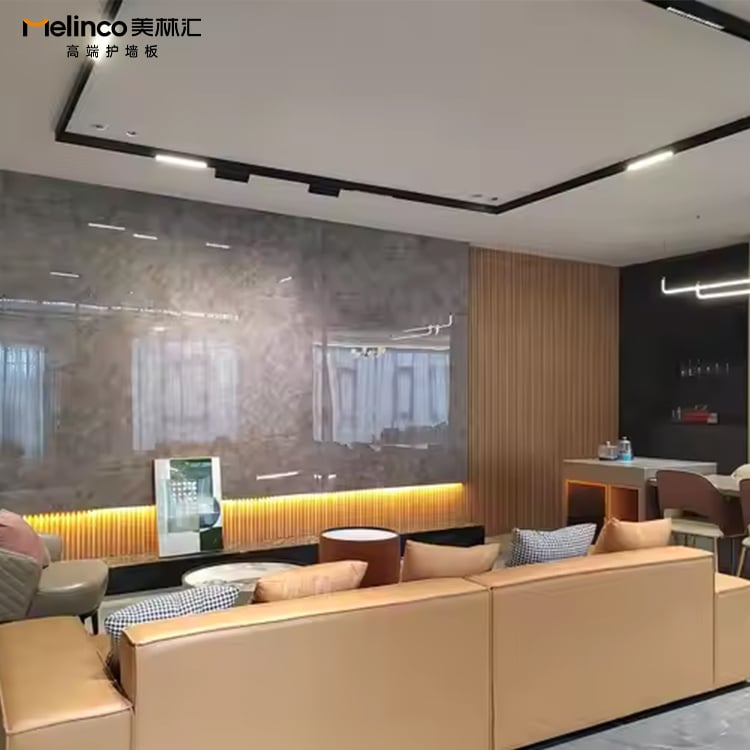
Við innrétting fyrirtækja hefur orðið töluvert betri undanfarna ár, þar sem viðborð af tré hafa orðið vinsæl valkostur í hótelum og skrifstofubýrum sem vilja búa til velgjörð, góðvildarleg umhverfi. Val á viðeigandi viðborðum af tré krefst varúðar í mat á mörgum þáttum, svo sem varanleika, útliti, viðhaldskröfum og fjármagns takmörkunum. Nútímavisind fyrirtækjamál krefjast efni sem ekki aðeins bætir útliti en heldur standast mikla gangkomu og tíð notkun án þess að missa á vængd sinni með tímanum.
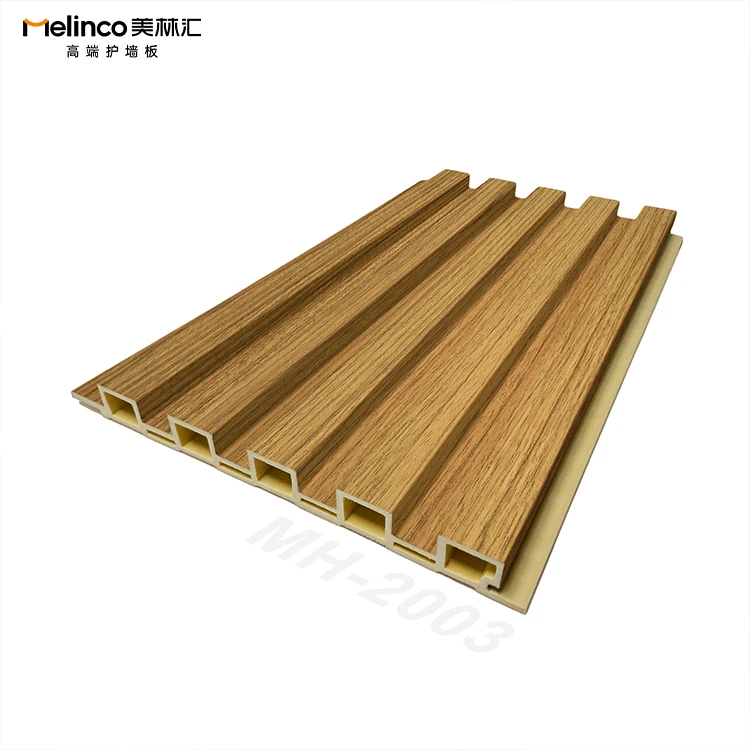
Að skilja einstaka kröfur gististaða og fyrirtækjamila er af mikilvægi við val á viðborðum af tré. Gististaðir krefjast efna sem búa til góðkomin andrými en geta jafnframt standið fast við stöðugt samvinnu gesta, en í kontorbyggingum eru borðin nauðsynleg til að styðja upp á árangri og starfsmenningu. Rétt val á viðborðum af tré getur breytt venjulegum rýmum í minnisverð umhverfi sem skapa eftirlifandi áhrif á gesti og starfsmenn báða.
Að skilja mismunandi gerðir viðborða af tré
Massíva viðborð
Massiðar viðurplötur eru hefðbundin nálgun til verslunarhúsnæðis, veita ættaða ámót mynstra og náttúrulega falleg sem margir hönnuðir kjósa. Þessar plötur eru gerðar úr öruggum viðtegundum eins og eik, sykurvið, valnöt eða kirsuber, og bjóða ólíklegan áferð og sjónræna dýpt. Náttúrulegar mismunun á ámótmyndun tryggir að hver uppsetning sé einstök, sem býr til persónulega einkenni í hótellobbyjum og stjórnendaherbergjum.
Massiðar viðurplötur krefjast þó mikilla viðhalds í verslunarmiljúm. Þær eru viðkvæmar fyrir vatns- og hitabreytingum og gætu krafist endursnyrtingar reglubundið til að halda útliti sínu. Verðmál er einnig mikilvægt, þar sem gæðavinarplötur taka með sér verulega fjárfestingu sem verður metin á móti langvarandi notkun og viðhaldskostnaði.
Hannaðar viðurplötur
Veggspjöld úr tekniski tilvinnu viði bjóða áttungislegt jafnvægi milli raunverulegs viðarútlits og aukinnar varanleika fyrir verslunarmiljós. Spjöldin innihalda raunverulega viðarskinni sett yfir tekniska grunnefni, sem veitir stöðugleika og varnir gegn bögun eða sprungum sem geta orðið í fullum viði. Framleiðsluaðferðin gerir kleift nákvæma gæðastjórnun og jafnt útlit yfir stórar uppsetningar.
Fjölhæfni veggspjaldanna úr tekniski tilvinnu viði gerir þau sérstaklega hentug fyrir gististaði og embættishús þar sem jafnt útlit er nauðsynlegt. Hægt er að framleiða þau í mismunandi þykktum og sniðum til að hagna mismunandi arkitektúrkröfum en samt viðhalda kostnaðsefni í samanburði við fullan við.
WPC Veggspjöld
Veggspjöld úr við- og plasti (WPC) hafa orðið mjög vinsæl í verslunarmiklum tilfellum vegna afar góðs varanleika og lágra viðhaldskröfa. Þessi tréverndar á vegg sameina viðurnetgiplur með endurvinnnum plasti, til að búa til efni sem eru varnaraðir gegn raka, skordýrum og úrrotningu, en samt halda á sér ávallt góðan viðurlíkan útlit.
Viðurefni WPC eru afar hentug í umferðarættum atvinnuumhverfum þar sem hefðbundin viður gæti brotist fljótt niður. Þau krefjast lágmarks viðhalds, eru varnaraðir gegn flekkjum og geta orðið fyrir tíðri hreiningu með iðjuhreinsiefnum. Umhverfisáhrif WPC-plötu eru einnig vinsæl hjá umhverfisvirkum fyrirtækjum sem leita að LEED-vottorði eða viðurkenningu fyrir græn byggingar.
Lykilmátreglar fyrir val í atvinnuskyni
Varanleiki og notkunarlíf
Viðskiptamilljó umhverfi setja viðið veggplötu undir miklu meiri álagi en í íbúðaforritum, sem gerir varðveislu mat vegna lykila til tekna uppsetningar. Veitingastaðir upplifa stöðugt samvinnu gesta, snertingu við farangur og tíðarhreinsunaraðferðir sem geta fljótt valdið sliteiningu ófullnægjandi efnum. Skrifstofubýringsbyggingar standa frammi fyrir öðrum áskorunum eins og tíðri snertingu, hugsanlegri árekstri vegna hreyfingar á búrustykkjum og breytilegri rakafráveitingu frá HVAC kerfum.
Mat á væntanlegum líftíma viðurshólfa felur í sér að lítta til þátta eins og stöðugleika grunns, varanleika yfirborðsmeðferðar og andspyrnu gagnvart algengum álagi í iðnaðarumhverfi. Viðurshólf af góðri gæði ættu að halda sér innan um útlit og uppbyggingarheilind í að minnsta kosti tíu ár í iðnaðarforrit, og geta dýrari gerðir orðið enn lengri miðað við rétta viðhald.
Eldvörn og samræmi við byggingarkóða
Elgsökuákvæði hafa mikil áhrif á úrvahl viðkomandi viðurplötu fyrir verslunarmannahúsnæði, og krefjast flest löggjafar að efni uppfylli ákveðnar staðlar varðandi eldspruning og ryksmyggingu. Viðurplötur verða venjulega að uppfylla eldsöku flokk A eða B, eftir byggingarhnotun og staðbundnum byggingarlögum. Að skilja þessi kröfur á snemma stigi valferlisins koma í veg fyrir kostnaðarmikla breytingar á síðari stigum verkefnisins.
Margar nútíma viðurplötur innihalda eldsneytilyf eða sérstök undirlög til að ná nauðsynlegum öryggisflokkun án þess að juða á sýnileika. Með tilliti til framleiðenda sem veita vottuð prófanotkun og tæknilega stuðning er tryggt að allar viðkomandi elgsökuákvæði séu uppfyllt bæði fyrir gistihús og háskólabar.
Sýnileikaaðili fyrir verslunarrými
Val á lit og árgróf
Áhrif tréveggspjaldanna á sjónarlegan álit hafa mikil áhrif á almenningssvæði, sem gerir val á lit og ágríðslu að mikilvægum hönnunarakvarða. Ljósari trélitir eins og syrpa eða björk geta haft í för með sér að svæðin virðist stærri og opnari, sem er sérstaklega gagnlegt í veitingastaðaferðum eða minni skrifstofusvæðum. Dökkari tré eins og valnöt eða mahogany búa til sofískaða, forystustigsháða andrými sem hentar fundarsölum og dýrari veitingastaðafoyrum.
Ágríðslur í tréveggspjöldum leika einnig mikla hlutverk í sjónarlegu álitnum, þar sem beinar ágríðslur gefa hreinni, nútímavænan útlit en mynduðar ágríðslur bæta við sjónarlegum áhuga og persónuleika. Stærð uppsetningarinnar ætti að áhrif á val á mynstri, þar sem grófari ágríðslur geta tekið yfir handlegginn á minni svæðum en fínnari mynstur geta horfið í stórum svæðum.
Samtenging við núverandi byggingarlist
Vel heppnaðar uppsetningar á viðborðaflötum komplementera núverandi byggingarefni í stað þess að vera í beinni samkeppni við þau um sjónarfræðilega athygli. Nútímavisbúðir með hreinum línum og lágmarkshönnun afnýta sér viðborðaflöut með einföldum sniðmótum og jöfnum ágríðarsveiflum. Viðkomulagalegri höll hótela geta tekið við meira fegurðarmikilli hönnun á borðaflötum, eins og úthellandi borð eða dekoratífur smíð details.
Yfirgangurinn á milli viðborðaflata og annarra efna krefst nákvæmrar skipulagsplanunar til að tryggja sléttt samruna. Krosslistar, gólfskaut og breiðiblöndur ættu að vera valdar svo að búa til samfellda útlit á meðan tekinn er tillit til sérstakrar uppsetningar kröfu völdu viðborðaflata.
Uppsetningar- og viðhaldshugsanir
Kröfur um háþjálfanlega innsetningu
Við uppsetningu viðborðsplötu af tré í verslunarkerfum krefst máls að reyndir sérfræðingar sem eru kunnugir verkefnum á stórum veldi og kröfum við verslunarbýr. Uppsetning ferlið felur í sér nákvæmar mælingar, rétta undirlagsundirbúning og samvinnu við aðra verkfræðinga til að tryggja slétt samruna við rafmagnsgot, HVAC-hluti og arkitektúrulegar upplýsingar.
Gæði uppsetningar hafa mikil áhrif á notklárleika og útlit viðborðsplötu af tré í verslunarmiljóum. Sérfræðingar í uppsetningu skilja mikilvægi réttra útþenslubila, viðeigandi festingaraðferða og samræmingaraðferða sem tryggja jafnt útlit yfir stórar uppsetningar. Rekstrarlega séð borgar sig innleggin á sérfræðingauppsetning með minni viðhaldskröfum og lengri notklárleika plötunnar.
Langtíma viðhaldsáætlun
Þróun á öllum kringum nákvæmri viðhaldsskipulag fyrir veggplötu úr viði tryggir áframhaldandi afköst og útlit í atvinnulegum umhverfi. Reglubundin hreinsun ætti að vera skipulagsbundið með notkun viðeigandi efna sem varðveita yfirborðslykt án þess að valda skemmdum. Ýmsar tegundir veggplötu úr viði hafa mismunandi viðhaldskröfur, og felur venjulega fastur viður meiri viðhaldsþarfir en unnar eða WPC-afbrigði.
Kynningartímasetning á viðhaldi ætti að innihalda reglulegar athugasemdir til að finna skemmdir, lausar plötur eða niðurgang á yfirborði sem gæti haft áhrif á heildarútlit uppsetningarinnar. Snarvirkt uppgötun og viðgerð minniháttar vandamála koma í veg fyrir verri og dýrari viðgerðir síðar og halda samtímis við sjálfbærni sem er nauðsynleg í atvinnulegum umhverfi.
Fjárhagsáætlun og kostnaðsgreining
Upphaflegar fjárfestingarþættir
Fjárhagsáætlun fyrir viðurefni í viðskipta verkefnum krefst nákvæmrar kostnaðargreiningu sem inniheldur efni, uppsetningu og langtíma viðhaldskostnað. Upphaflegur efniskostnaður breytist mjög mikið eftir gerð bekkja, þar sem bekkjur úr massíviði hafa venjulega dýrari verð en vörur úr teknilegum viði eða WPC sem bjóða fram um að mestu öðruvísi sömu ásýnd á lægri verði.
Uppsetningarkostnaðurinn tekur fyrir mikil hluta af heildarkostnaði verkefnisins, sérstaklega vegna flókinnar arkitektúru eða erfiðra staðhæfingarskilyrða. Sérfræðileg uppsetning tryggir rétt virkni en krefst úthlutunar á fjármagni til hæfileiks vinnudags og verkefnastjórnunar. Heildarupphaflegri fjárfestingin ætti að meta á móti væntanlegri notkunartíma og viðhaldskostnaði til að ákvarða raunverulega kostnaðarþætti.
Greining á tekjum af fjárfestingum
Viðgerðar af hárræða viði veita frábær arðsemi í atvinnuskynju notkun vegna aukinnar eignumargvirði, betri ánægju íbúa og lægra viðhaldskostnaðar á langan tíma. Hótell dráttu nýta af aukinni ánægju gesta og mögulegum dýrari herbergisverðmætingu, en í meðalhúsum getur verið hægt að krefjast hærri leigugjalda og sjá betri viðhaldbreiðingu leigjanda með snyrtilegri innviðingar úr viðgerðum.
Varanleiki hárræða viðgerða minnkar kostnað við skiptingu og heldur fastanlega áferð lengi, sem leiðir til gagnlegs langtíma hagkerfis. Betra orkuframlag vegna bættar hitaeðlisveitu getur einnig leitt til endurlendandi rekstrartekmingar sem aukur heildarvirði verkefnisins.
Algengar spurningar
Hverjar eru varanlegustu gerðirnar af viðgerðum fyrir mikið umferðarsvæði í verslunarmálum
WPC viðurshólfplötu boða hæstu varanleikann fyrir umferðaríkis atvinnuumhverfi vegna þess að þær eru ávaralegar gegn raka, árekstri og sliti. Þessar samsettu plötur halda utanum útlit sitt undir mikilli notkun en krefjast lítillegs viðhalds. Viðurshólfplötur með viðskiptaklasa yfirborð gefa einnig mjög góðan varanleika á umræðum verði, en föst viðurshólfplötur krefjast meira viðhalds en bjóða ólíklega náttúrulega fallega fyrir framkvæmdir í hágæði.
Hvernig áhrif hafa eldsöfnuðarkröfur á val á viðurshólfplötum fyrir veitingastaði og stofur
Elgsökuöryggisreglur krefja þess að viðurefni á veggjum uppfylli ákveðnar kröfur varðandi eldspriddu, yfirleitt flokk A eða flokk B, eftir byggingarnotkun og staðbundnum reglum. Margir framleiðendur bjóða upp á eldhættu minnkuð efni eða sérstök grunnefni sem uppfylla nauðsynlegar kröfur en samt halda góðri útlitalegri gildi. Með því að vinna með vottaða birgja sem veita rétt skjalagerð er tryggt að allar viðkomandi eldöryggiskröfur séu uppfylltar fyrir viðskiptaveituuppsetningar.
Hvorki viðhaldsaðgerðir krafist er við uppsetningu viðurefnis á veggjum í viðskiptasamhengi
Viðhaldsþarfir eru mismunandi eftir gerð á borðum, og krefjast WPC viðborð aðeins tímabundinnar hreinsunar með iðnaðarhúðu vöru. Þurft er að reglulega skoða föst viðborð vegna slítingar á yfirborði og gæti verið nauðsynlegt að endurljóma þau tímabillega, en hnituð borð koma á milli þessara tveggja. Með því að setja upp reglulegar hreinsunarferðir og leysa litlar skemmdir fljótt hjálpar til við að halda viðamikilli útlit og lengja notkunartíma borðanna í iðnaðarumhverfi.
Hversu mikið ætti að reikna fyrir uppsetningu viðborða í iðnaðarbyggingum
Fjárhagsáætlun fyrir viðskipta- og viðskiptamanna veggspjöld ætti að innihalda efni, verkfræðinga uppsetningu og veikleikafjár sem venjulega renna til hundrað til tvö hundruð dollara á ferningsfót afhverju eftir gæðum spjaldanna og flækjustigi verkefnisins. Dýrari uppsetningar af föstu tré bera kostnaðinn áfram, en WPC og smíðaðar lausnir bjóða fram kostauppbyggilegri valkosti. Líkön um langtímavirði, með tilliti til viðhaldskostnaðar og væntanlega notkunarlevens, hjálpa til við að ákvarða hver er kostaeffektívasti kosturinn fyrir hvoruga grein.
Efnisyfirlit
- Að skilja mismunandi gerðir viðborða af tré
- Lykilmátreglar fyrir val í atvinnuskyni
- Sýnileikaaðili fyrir verslunarrými
- Uppsetningar- og viðhaldshugsanir
- Fjárhagsáætlun og kostnaðsgreining
-
Algengar spurningar
- Hverjar eru varanlegustu gerðirnar af viðgerðum fyrir mikið umferðarsvæði í verslunarmálum
- Hvernig áhrif hafa eldsöfnuðarkröfur á val á viðurshólfplötum fyrir veitingastaði og stofur
- Hvorki viðhaldsaðgerðir krafist er við uppsetningu viðurefnis á veggjum í viðskiptasamhengi
- Hversu mikið ætti að reikna fyrir uppsetningu viðborða í iðnaðarbyggingum